
As temperatures change throughout the year, heating and cooling equipment may face different demands. A system that performs well during mild weather may experience more strain during summer heat or winter cold. Preparing before extreme conditions arrive can help identify performance concerns, improve indoor comfort, and reduce the risk of unexpected interruptions. Professional maintenance provides an opportunity to evaluate system operation, inspect important components, and address developing concerns. Knowing when to schedule service and what to discuss during an appointment can make the process more productive. This guide explains how to prepare for seasonal maintenance, compare providers, recognize system concerns, and plan for future equipment needs.
Schedule Seasonal HVAC Maintenance Before Extreme Weather Arrives
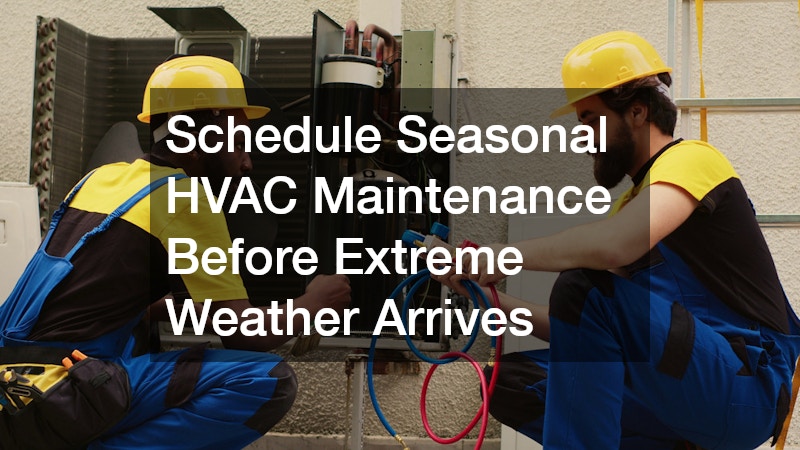
Scheduling HVAC services before severe weather arrives allows a technician to inspect the system before seasonal demand increases. Early appointments may also offer more scheduling flexibility and provide time to review recommendations without the pressure of an immediate comfort concern. Seasonal maintenance can also help establish a clearer picture of the system’s condition before it begins operating for longer periods each day.
Share any changes you noticed during the previous season. The following details may help guide the inspection:
- Mention rooms that were consistently warmer or cooler than expected.
- Report unusual sounds, frequent cycling, or reduced airflow.
- Discuss unexpected increases in energy use.
- Provide records from previous maintenance visits when available.
Ask what the inspection includes and which components will be cleaned, tested, or adjusted. A seasonal visit may involve reviewing accessible equipment, thermostat operation, electrical components, filters, airflow, and overall system performance. If the technician identifies a concern, ask how it may affect operation and whether the issue requires immediate attention or future monitoring. Keep invoices, inspection reports, warranty information, and notes about recommended work. A complete service history can help identify recurring concerns and provide useful information during future appointments. These records may also make it easier to track repairs and understand how the system has performed over time.
Compare HVAC Companies Before Scheduling Service
Choosing an HVAC company involves more than selecting the first provider that appears online. Communication, qualifications, service information, and customer support can all affect the experience. Comparing several providers may help you find one that clearly explains its process and meets your needs.
Consider the following factors before scheduling an appointment:
- Verify that the provider holds the licenses or credentials required in your area.
- Ask whether technicians receive training related to current equipment and service practices.
- Review customer feedback for consistent patterns involving communication and service quality.
- Ask about the company’s experience with your type of equipment.
- Confirm whether the provider offers maintenance, repairs, equipment replacement, or emergency support.
Before approving work, ask what the appointment includes and whether inspection or diagnostic fees apply. If repairs are recommended, request a clear explanation and a written estimate that identifies applicable labor, materials, and service charges. You may also ask whether the company provides service guarantees or warranty coverage for completed work. Clear communication can make it easier to understand the recommended services and compare information from different providers. Avoid making a decision based only on price. The scope of work, available support, and quality of information should also be considered.
Prepare Your Air Conditioner for Higher Summer Demand
Preparing for summer before temperatures become consistently hot may help identify cooling concerns while appointment availability is more flexible. Professional air conditioning services may include an evaluation of cooling performance, airflow, controls, and accessible system components. Early maintenance may also provide time to complete recommended work before the system is needed regularly.
Spring is often a practical time to schedule maintenance. If you noticed changes during the previous cooling season, arrange an evaluation before the first major heat wave. Common concerns to discuss with the technician include:
- Reduced airflow from vents or inconsistent airflow between rooms.
- Uneven cooling throughout the property.
- Unusual sounds during system operation.
- Frequent cycling or longer-than-expected operating periods.
- Changes in indoor comfort or cooling performance.
Waiting until the system experiences heavy demand may make a developing concern more difficult to manage. During the appointment, discuss where and when comfort problems occur and ask the technician to review cooling performance and airflow. Uneven temperatures may be connected to airflow, duct conditions, insulation, or other property-specific factors. Ask the technician to explain the findings and whether additional evaluation is recommended. Before approving additional work, request information about the expected cost and review the estimate carefully. Confirm what the proposed work includes, and keep maintenance records and written estimates for future reference.
Book HVAC Service at the Right Time of Year
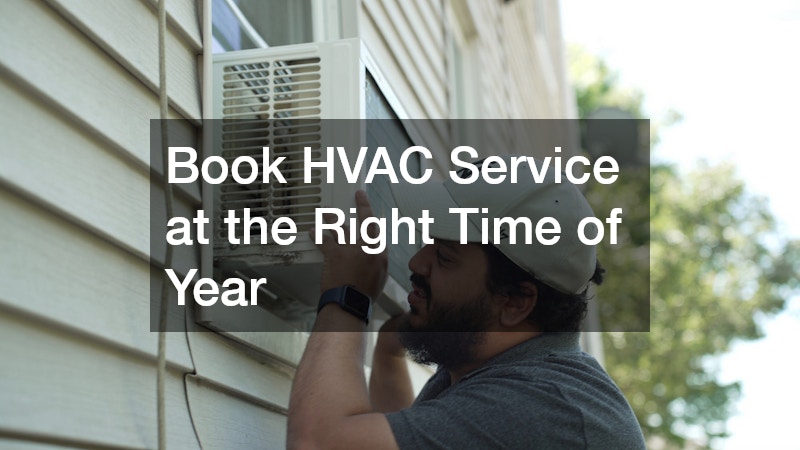
Scheduling heating and air conditioning services before peak seasonal demand may reduce delays and provide more flexibility. Many homeowners arrange cooling maintenance during spring and heating maintenance during early fall, although the ideal schedule may depend on the local climate, equipment type, system age, and maintenance history. Planning ahead may also provide more time to review recommendations and schedule repairs before the equipment is needed regularly.
Use the following seasonal schedule as a general guide:
- Schedule cooling maintenance during spring before extended hot weather begins.
- Arrange heating maintenance during early fall before colder conditions arrive.
- Schedule earlier if the equipment is older or experienced problems during the previous season.
- Avoid waiting until the system stops operating or extreme weather creates urgent demand.
During a maintenance visit, ask how soon recommended repairs should be completed. Some concerns may require prompt attention, while others may be monitored until a future appointment. Ask the technician to explain how the issue may affect system performance and whether delaying the work could lead to additional concerns. Understanding the suggested timeline can help you prioritize the work and plan for possible expenses. If your system receives regular professional care, try to schedule appointments around the same time each year. A consistent schedule can make maintenance easier to remember and provide a more complete service history. Setting calendar reminders or enrolling in a maintenance program may also help prevent seasonal appointments from being overlooked.
Know When to Request Emergency HVAC Service
An emergency HVAC service may be necessary when equipment problems create immediate safety concerns, severe indoor conditions, or a complete loss of heating or cooling during extreme weather. Not every performance issue requires an emergency response, but certain conditions should be evaluated without delay.
Contact a qualified provider promptly if you notice any of the following concerns:
- The system fails during dangerous outdoor temperatures.
- Smoke, sparks, or burning odors are present.
- Repeated electrical problems affect system operation.
- Unusual sounds occur with a complete loss of performance.
- Visible damage creates a possible safety concern.
When contacting the provider, explain when the problem began, whether the equipment is operating, and what changes you observed. Ask whether after-hours service is available and when a technician may arrive. Providing accurate details may help the company determine the appropriate response. Emergency appointments may have different pricing than scheduled daytime service. Ask about service call fees, after-hours charges, diagnostic costs, and how repair pricing will be provided. Keep copies of invoices and service records after the work is completed.
Improve HVAC Efficiency With Professional Recommendations
Professional HVAC solutions can address energy use, airflow, equipment condition, and long-term comfort. The appropriate recommendation depends on the property, existing equipment, usage patterns, and findings from a professional evaluation. A complete assessment can help identify areas where the system may be operating inefficiently or where improvements could better support the needs of the space throughout the year.
Ask about options that may improve system performance, including:
Energy-efficient equipment that matches the property’s heating and cooling needs.
Airflow improvements for rooms with inconsistent temperatures.
Updated controls or equipment-related components.
Targeted upgrades that may be appropriate without replacing the entire system.
Improvements to insulation, ductwork, or system settings that may support better overall efficiency.
Avoid selecting new equipment based only on the size of the existing unit. System capacity, installation quality, airflow, and property conditions may all affect performance. A system that is properly sized and installed may provide more consistent comfort while helping manage energy use. Ask about expected benefits, installation requirements, maintenance needs, and warranty coverage before making a major investment. A professional may also help determine whether maintenance or targeted improvements could support the existing system. Reviewing several options can help you compare short-term costs with long-term performance goals. Taking time to understand available solutions can also help you make informed decisions based on your home’s current needs and future comfort expectations.
Respond to AC Problems Before They Become More Serious
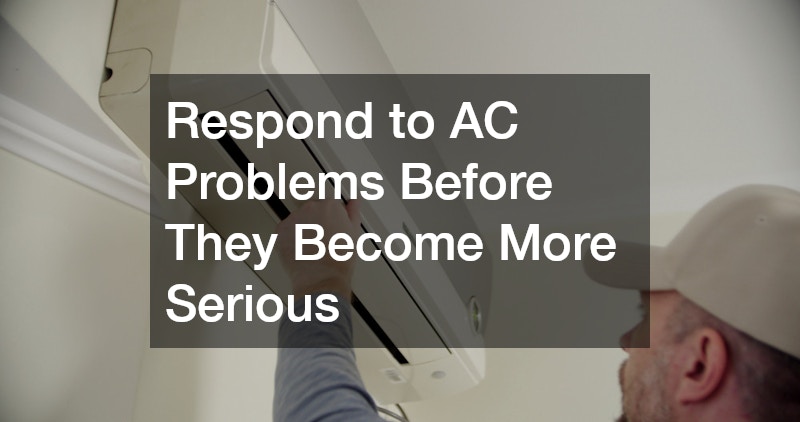
Addressing potential AC repairs promptly may help prevent a minor performance concern from becoming a larger interruption. Changes in cooling performance do not always indicate a major failure, but recurring problems should be evaluated.
Schedule a professional inspection if you notice the following changes:
- Rattling, grinding, buzzing, or repeated clicking sounds occur.
- Airflow becomes weaker than usual.
- Some rooms no longer cool consistently.
- The system runs more frequently or no longer maintains the selected temperature.
- Energy use changes without a clear explanation.
Keep notes about when the issue occurs and whether it affects the entire property or only certain rooms. This information may help the technician identify patterns and recommend appropriate next steps. Include details about how long the problem has been occurring and whether it appears during specific weather conditions. Routine maintenance may identify worn or dirty components before they cause noticeable performance concerns. Although maintenance cannot prevent every failure, it can support consistent operation and provide a clearer record of system performance.
Choose an HVAC Company That Provides Clear Service Information
Reliable HVAC companies should provide understandable information about appointments, inspections, recommendations, pricing, and follow-up support. Clear communication can help homeowners evaluate proposed work and make informed decisions.
When comparing providers, ask about the following:
- Experience with your type of equipment.
- Technician training and applicable credentials.
- Service guarantees for labor or completed work.
- Equipment and replacement-part warranty terms.
- Maintenance plans and the services included.
Review service guarantees and warranty requirements before approving major work. Ask whether maintenance records or other conditions may affect coverage. Keep warranty documents with service invoices and inspection reports. A recurring maintenance plan may simplify seasonal scheduling and help maintain a consistent service history. Before enrolling, confirm how often visits occur, what services are included, and how repairs or replacement components are handled. Ask whether the plan provides appointment reminders or other scheduling benefits.
Prepare Your Home for a New AC Installation

Planning for local AC installation begins with a professional assessment of the property and its cooling needs. Home layout, insulation, airflow, duct conditions, and existing equipment may affect the recommended system. Share information about difficult-to-cool rooms, property changes, and previous equipment concerns so the provider can evaluate the full property.
If certain areas need more targeted temperature control, a qualified mini split installer can determine whether a ductless system may be appropriate. The evaluation may consider room size, layout, insulation, usage, equipment placement, and how the system could work with existing equipment.
Before installation, ask the provider to explain the following details:
- The recommended equipment and reasons for the selection.
- The expected installation timeline.
- Any required electrical, structural, or system modifications.
- Preparations needed before the installation team arrives.
- Whether the existing system will be unavailable during the project.
Review the written estimate and confirm which equipment, labor, and related work are included. Ask whether any property conditions could affect the final timeline or scope. Understanding these details before work begins can help you prepare for the installation process. After installation, review system operation, temperature controls, maintenance recommendations, filter requirements, and warranty information. Ask whether the equipment was tested and whether normal operation was observed. Keep all installation documents and service records for future reference.
Preparing heating and cooling equipment for changing seasons involves planning ahead, scheduling professional evaluations, and responding promptly to performance changes. Seasonal appointments can provide useful information about system condition and create opportunities to address concerns before weather becomes more demanding. Comparing providers, reviewing service information, and maintaining accurate records can support better long-term decisions. When repairs, upgrades, or replacement become necessary, clear explanations and written estimates can help you understand the available options. A consistent maintenance schedule can support indoor comfort and provide a clearer picture of equipment performance. By arranging service before peak seasonal demand and seeking professional guidance when concerns arise, homeowners can approach changing weather with greater preparation and confidence.