From initial considerations to final inspections, we’ll cover all the essential steps and answer common questions that may arise during the process. Replacing a roof is a significant investment, and understanding the entire process can help ensure a seamless experience. Whether it’s determining the right materials or selecting a reputable contractor, having the right knowledge helps. We hope to guide you through each phase with clarity and precision for a successful roofing project.
Why is Roof Replacement Necessary?
Roof replacement is sometimes a necessary task for homeowners to ensure the continued protection of their property. Over time, wear and tear from weather conditions, including rain, snow, and extreme heat, can cause significant damage.
Damaged roofs can lead to leaks, structural problems, and eventually, major interior damage if not addressed. Replacing the roof not only protects your home but also enhances its value and aesthetic appeal. Additionally, a new roof can improve energy efficiency, lowering heating and cooling costs significantly.
Identifying the right time for roof replacement is crucial. Signs such as missing shingles, frequent leaks, or excessive granule loss from asphalt shingles are red flags. Consulting with roofing professionals can help in assessing whether repairs or a full replacement is warranted. Neglecting these signs can lead to more costly repairs down the line. Therefore, proactive maintenance and timely roof replacement can save homeowners a lot of stress and money.
Regular inspections and maintenance can extend the lifespan of a roof. However, even the best-maintained roofs eventually reach the end of their useful life. It becomes essential to replace an aging roof before it fails, causing unforeseen expenses and potential safety hazards. New roofing materials have advanced, offering more durability and options for eco-friendly upgrades. Thus, replacing an old roof with modern materials can double as a long-term investment in sustainability and security.
What are the Steps in Planning for Roof Replacement?
The planning phase is critical for a successful roof replacement project. The first step involves evaluating the current condition of the roof. Homeowners should hire a professional roofing inspector to assess any damage and recommend the best course of action. Understanding the scope of work required can help with estimating costs and setting a realistic budget. A well-devised plan accounts for both the financial aspects and the logistical scheduling of the roof replacement.
Consideration of the roofing materials is another crucial component. Homeowners have a wide variety of materials to choose from, including asphalt shingles, metal, slate, and tiles. Choosing the right material depends on factors like climate, budget, and desired aesthetics. Each type of material comes with its own set of benefits and lifespan, so careful consideration is necessary. Online resources and consultations can aid in determining which materials align best with project goals and structural requirements.
The final step in planning involves regulatory compliance and permits. Roof replacement often requires permission from local authorities, and it is the homeowner’s responsibility to secure any necessary permits. Working with a contractor who understands local regulations can streamline this process, ensuring compliance and avoiding potential fines. Valid permits also ensure that the roofing work adheres to local building codes. Therefore, integrating this step into the planning phase fosters a smooth transition to the execution stage.
How to Choose the Right Roofing Contractor?
Selecting a reputable roofing contractor is paramount to the success of a replacement project. Homeowners should start by gathering referrals from family, friends, or neighbors who have undergone similar projects. Online reviews and ratings can also provide valuable insights into a contractor’s reliability and quality of work. It’s essential to verify the contractor’s licensing, insurance, and years of experience. Doing thorough research prevents future headaches and ensures that you find a contractor suited to your needs.
Once potential contractors are shortlisted, the next step is obtaining and comparing quotes. A detailed quote will include information on material costs, labor, warranties, and project timelines. It’s wise to be cautious of unusually low estimates, as they may indicate subpar materials or workmanship. Ask for a comprehensive breakdown of costs to understand exactly what you are paying for. Ensuring transparent communication about cost and expectations from the beginning sets the foundation for a positive working relationship.
Lastly, confirm warranty details from your chosen contractor. Roofing warranties can cover materials, installation, or both and usually vary by manufacturer and contractor. Understanding the terms of your warranty is crucial, as it protects you from future unexpected repairs and costs. A reliable contractor will provide a solid workmanship warranty that backs up their work quality. Having this backup offers peace of mind, knowing that your investment is secure over time.
What is the Roof Replacement Process like?
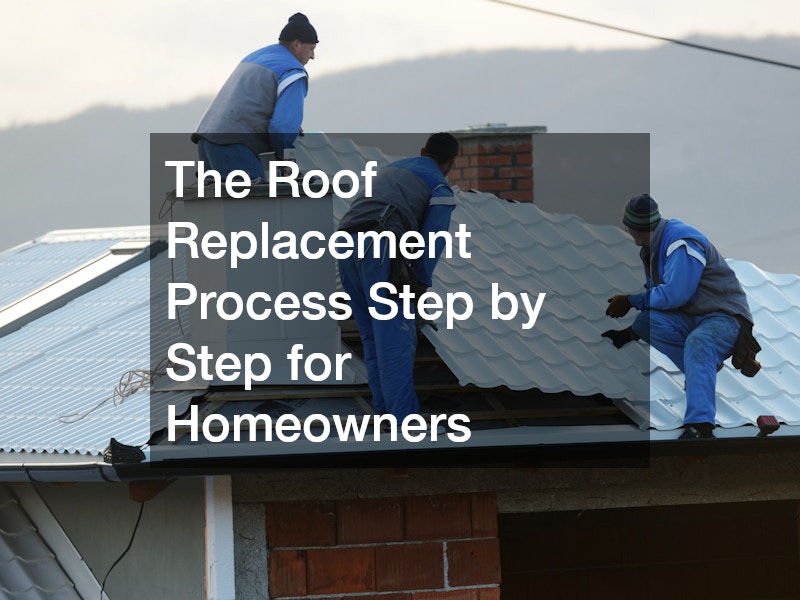
The roof replacement process typically starts with stripping the old roof. This involves removing existing shingles, underlayment, and any damaged flashing or trim. The contractor will assess the decking for any damage and replace areas as necessary. This step is crucial for ensuring the new roof has a solid foundation. Removing the old roof allows the team to inspect the roof deck and identify problems that might have been hidden.
Next is the installation of the new underlayment and flashings. The underlayment serves as an additional water barrier, protecting the home from potential leaks. Flashing is used around critical areas like chimneys and vents where water might seep in. This step requires precision to ensure every seam is tightly sealed. Proper installation at this stage is crucial, as it contributes significantly to the roof’s longevity and performance.
Installing the new roofing material is the final and most visible step in the process. This phase includes laying down shingles, metal panels, or tiles according to the material chosen. The contractor will also install ridge caps, ventilation, and any additional components that enhance the roof’s functionality. Afterward, a thorough clean-up of the job site is conducted, removing debris and leftover materials. Finally, an inspection confirms that every detail meets the agreed specifications and quality standards.
How to Maintain a New Roof Post-Installation?
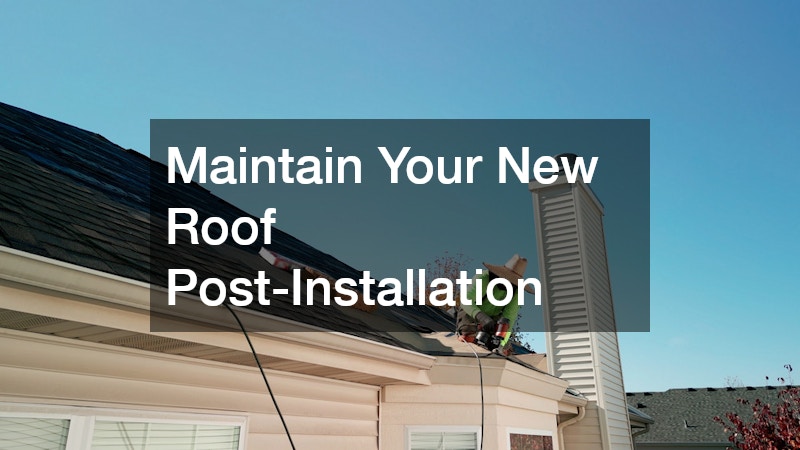
Proper maintenance is essential to maximizing the lifespan of a new roof. Regular inspections should be conducted at least once a year or after significant storms. Checking for missing shingles, damaged flashings, and blocked gutters is crucial. Early detection of potential issues can prevent more extensive damage and costly repairs. Homeowners should also be proactive in clearing debris that can accumulate over time, which can lead to mold growth or water damage.
Trimming nearby tree branches is another important maintenance task. Overhanging limbs can damage a roof during harsh weather conditions, or they can drop debris such as leaves and twigs that clog gutters. Regular pruning will reduce these risks and maintaining clear gutters ensures proper water drainage. Homeowners should engage professional roofers for annual maintenance to ensure thorough checks and upkeep. This approach safeguards the integrity and appearance of the roof.
Finally, understanding warranty parameters helps in proper maintenance. Some roofing warranties may require specific maintenance actions to remain valid. Failure to adhere to outlined guidelines could void warranty protections, leading to unanticipated repair costs. It’s wise to schedule periodic check-ups with the contractor who installed the roof since they are most familiar with your roofing system. Through regular maintenance and understanding the warranty, homeowners can enjoy a durable and long-lasting roof.
By understanding these steps and the importance of each, you can make informed decisions and ensure a successful roof replacement project that meets your needs and fits your budget. From planning and selecting materials to hiring a reliable contractor, each phase is integral to the outcome of the project. Following a structured approach not only safeguards your investment but also enhances your home’s value and comfort. A well-executed roof replacement is a rewarding endeavor that promises protection and peace of mind for years to come.