Owning a home is a long-term commitment that extends far beyond routine cleaning and seasonal decorating. True home care requires strategic improvements that preserve structural integrity, protect major systems, and enhance daily comfort year after year. By investing in the right services at the right time, homeowners can prevent costly repairs, extend the life of their property, and maintain strong resale value. The following sections break down the most important improvement areas and explain how to approach them with a long-term mindset.
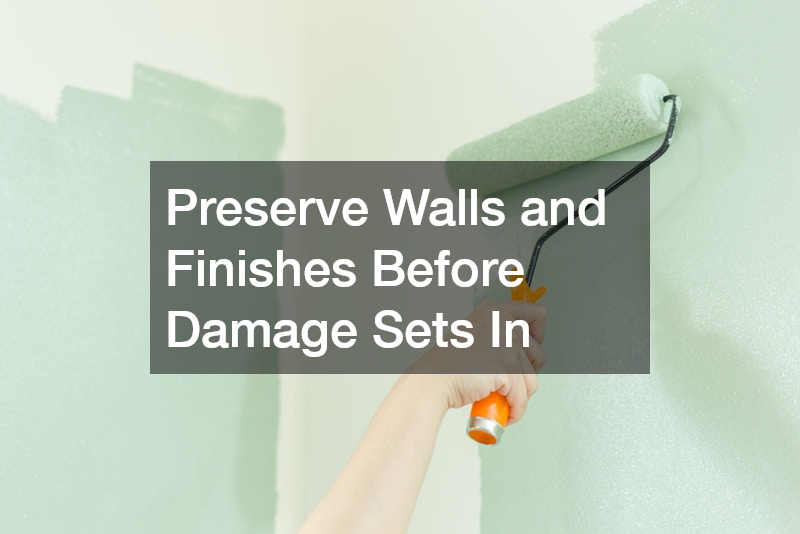
Preserve Walls and Finishes Before Damage Sets In
Interior and exterior surfaces quietly absorb wear from sunlight, humidity, temperature swings, and daily activity. Over time, paint failure can expose underlying materials to moisture and deterioration. Working with experienced painting contractors allows homeowners to address issues before they escalate into structural concerns.
A long-term approach starts with proper surface preparation. This includes repairing cracks, sanding uneven areas, and sealing stains rather than simply repainting over them. High-quality primers and paints formulated for specific environments, such as moisture-resistant coatings in bathrooms or UV-resistant paints for exteriors, can significantly extend repainting cycles.
Regular inspections help determine when repainting is necessary. Peeling, fading, or bubbling paint often signals moisture intrusion or substrate issues that should be corrected immediately. Scheduling repainting as preventative maintenance, rather than waiting for visible damage, keeps walls protected and interiors looking fresh without frequent overhauls.
Reinforce the Roof to Protect Every Other System
The roof is one of the most critical protective components of any home, shielding everything beneath it from weather exposure. Routine evaluations and timely repairs performed by qualified roofing contractors can add years to a roof’s lifespan and prevent widespread interior damage.
Homeowners should schedule professional inspections at least once a year and after major storms. Small issues such as loose shingles, compromised flashing, or clogged roof drainage systems can lead to leaks that affect insulation, ceilings, and even electrical systems. Addressing these issues early is far more cost-effective than repairing extensive water damage later.
Material choice also plays a role in longevity. Asphalt shingles, metal panels, and tile roofs all have different maintenance needs and life expectancies. Understanding those requirements and budgeting for eventual replacement helps homeowners plan upgrades strategically instead of reacting to emergencies.
Stop Moisture Intrusion at Its Source
Water damage is one of the most expensive and disruptive problems a homeowner can face. Proactive use of waterproofing services helps prevent moisture from entering basements, crawl spaces, and foundations where it can silently cause mold growth and structural weakening.
Effective waterproofing begins with identifying vulnerabilities. These may include foundation cracks, poor exterior grading, failing sealants around windows, or inadequate drainage systems. Solutions can range from exterior membranes and interior sealants to sump pump installations and improved downspout routing.
Long-term care involves monitoring humidity levels and inspecting previously treated areas regularly. Even well-executed waterproofing systems require occasional maintenance. By treating moisture prevention as an ongoing strategy rather than a one-time fix, homeowners protect both their property and indoor air quality.
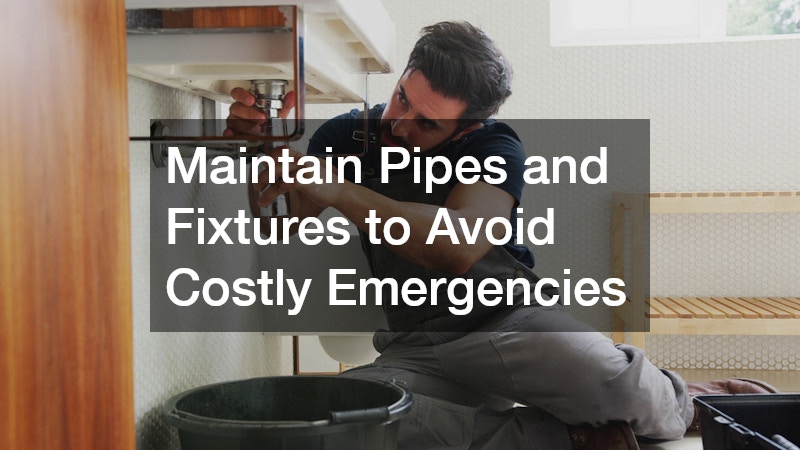
Maintain Pipes and Fixtures to Avoid Costly Emergencies
Plumbing issues rarely appear without warning, but the early signs are often ignored. Dripping faucets, slow drains, and fluctuating water pressure can indicate underlying problems that professional plumbing services are equipped to resolve before major failures occur.
Preventative maintenance includes routine drain cleaning, water heater flushing, and inspections of exposed pipes for corrosion or leaks. Older homes may also benefit from pipe material upgrades to improve efficiency and reduce the risk of burst lines.
Homeowners should also understand their water usage patterns. Installing pressure regulators, leak detection systems, and efficient fixtures reduces strain on the plumbing network. Consistent attention to small issues not only prevents emergencies but also extends the overall lifespan of the system.
Optimize Heating and Cooling for Efficiency and Comfort
Climate control systems directly affect comfort, energy bills, and indoor air quality. Regular servicing of HVAC services ensures these systems operate efficiently and reliably throughout the year, even during periods of extreme temperatures. Well-maintained systems place less strain on components, which helps prevent sudden breakdowns and extends overall equipment lifespan.
Long-term care starts with seasonal maintenance, including filter changes, duct inspections, and performance testing. Technicians can identify worn components, refrigerant issues, or airflow restrictions before they compromise the entire system. Proper calibration also reduces energy waste, minimizes uneven temperature distribution, and supports consistent indoor comfort from room to room.
Homeowners planning for the future should consider system upgrades when repairs become frequent or efficiency declines. Modern, energy-efficient units paired with smart thermostats provide better control, improved diagnostics, and long-term savings. Treating HVAC care as a continuous process rather than an occasional repair keeps the home comfortable, efficient, and reliable in every season.
Choose Durable Flooring That Supports Daily Living
Floors endure constant use, making material selection and installation quality essential for long-term performance. Consulting a reliable flooring contractor helps homeowners choose surfaces that align with their lifestyle, household size, and maintenance preferences while minimizing future repair demands. Professionals can also recommend materials based on foot traffic patterns, exposure to sunlight, and the presence of pets or children, all of which influence wear over time.
Different rooms require different solutions to perform well. Moisture-resistant materials such as tile, vinyl, or engineered wood are better suited for kitchens, bathrooms, and entryways where spills and humidity are common. In living areas and bedrooms, durable hardwoods or high-quality laminates offer both comfort and longevity when properly installed. Subfloor preparation is a critical step often overlooked; leveling, moisture testing, and reinforcement prevent problems like warping, squeaking, or premature wear that can shorten a floor’s lifespan.
Long-term care includes using cleaning methods appropriate to each material and addressing damage quickly before it spreads. Felt pads under furniture, area rugs in high-traffic zones, and entryway mats help reduce surface abrasion. Periodic refinishing or resealing, when recommended, restores protection and appearance. Together, these practices extend the life of flooring investments while maintaining a cohesive, polished interior throughout the home.

Plan Kitchen Updates With Longevity in Mind
The kitchen is one of the most frequently used spaces in a home, making thoughtful upgrades essential for long-term performance. A well-planned kitchen renovation focuses on functionality, durability, and adaptability rather than short-term trends that may quickly feel outdated. Homeowners should start by evaluating how the space is used daily, identifying pain points such as limited counter space, inefficient traffic flow, or inadequate storage.
Cabinet construction quality, countertop materials, and appliance efficiency all influence how well the kitchen holds up over time. Solid wood or high-quality plywood cabinets tend to withstand repeated use better than lower-grade materials, while durable countertops resist staining, heat, and impact. Energy-efficient appliances reduce operating costs and are often designed with longer service lives. Prioritizing smart storage solutions, layered lighting, and ergonomic layouts reduces daily wear and enhances usability for years to come.
Future-proofing is equally important when planning updates. Designing flexible layouts that can accommodate new appliances, accessibility needs, or changing household sizes prevents the need for repeated remodels. Incorporating neutral finishes with timeless appeal also allows for easy cosmetic updates later. When renovations balance aesthetics with practicality, the kitchen remains attractive, efficient, and functional long after the project is complete.
Prevent Infestations Before They Become Structural Problems
Pests can cause hidden damage that undermines long-term home stability, often long before visible signs appear. Regular inspections and treatments provided by pest control services help protect both the structure of the home and the health of its occupants by identifying vulnerabilities early. Termites, rodents, and insects can weaken wood framing, damage insulation, and contaminate living spaces if left unaddressed, making prevention far more effective than reactive treatment.
Preventative strategies include sealing small cracks and gaps around foundations, doors, and utility lines where pests commonly enter. Managing moisture sources is equally important, as damp environments attract insects and rodents. Proper ventilation, prompt leak repairs, and well-maintained drainage systems reduce the conditions pests rely on to thrive. Landscaping choices also play a role; keeping vegetation trimmed away from the home and storing firewood at a safe distance limit easy access points.
Professionals can identify early signs of infestations, such as droppings, damaged wood, or nesting areas, and apply targeted solutions that minimize disruption to daily life. Ongoing monitoring is critical, especially in regions prone to termites, rodents, or seasonal insects. Treating pest management as a routine part of home care helps avoid costly repairs, preserves structural materials, and ensures a safer, healthier living environment over the long term.
Keep Pools Safe, Clean, and Cost-Effective
Pools add enjoyment and value to a home, but they also require consistent attention to remain safe, inviting, and affordable to operate. Scheduled maintenance from reliable pool cleaning services ensures water quality stays within safe chemical ranges while protecting pumps, filters, and heaters from premature wear. Regular professional care also helps identify small issues, such as leaks, clogged lines, or failing seals, before they develop into costly repairs or safety hazards.
Long-term pool care involves more than skimming debris from the surface. Proper chemical balancing prevents algae growth, cloudy water, and skin or eye irritation, while routine filter cleaning keeps circulation systems working efficiently. Inspecting pumps, heaters, and automated controls on a regular basis helps maintain consistent performance and prevents energy waste. Neglecting these tasks can strain equipment, shorten its lifespan, and significantly increase utility costs over time.
Homeowners should also plan for periodic resurfacing and strategic equipment upgrades as part of a broader maintenance plan. Worn pool finishes can lead to leaks or rough surfaces, while outdated equipment often consumes more energy than necessary. Investing in modern, energy-efficient components and timely surface repairs keeps the pool functional, extends its lifespan, and prevents unexpected closures during peak usage seasons when enjoyment and reliability matter most.
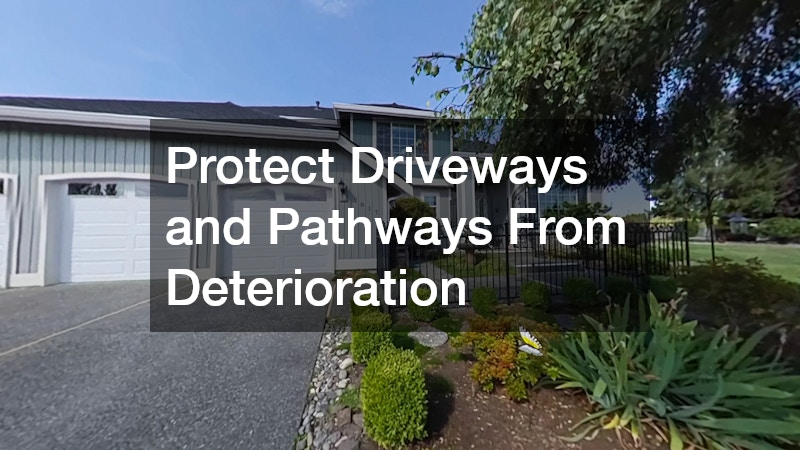
Protect Driveways and Pathways From Deterioration
Exterior surfaces like driveways and walkways play a role in both safety and curb appeal, but they are often overlooked until visible damage appears. Routine maintenance and timely repairs using professional asphalt services help prevent cracking, potholes, and drainage problems that naturally worsen as surfaces age and are exposed to weather, vehicle traffic, and temperature fluctuations. Even minor surface imperfections can allow moisture to seep in, accelerating deterioration from the inside out.
Sealcoating at appropriate intervals is one of the most effective ways to extend the life of asphalt. This protective layer shields the surface from UV damage that causes fading and brittleness, while also blocking water penetration and resisting oil or chemical spills. When performed regularly, sealcoating helps maintain flexibility in the asphalt, reducing the likelihood of cracks forming during freeze-thaw cycles. Addressing small cracks early through targeted repairs prevents them from expanding into major structural failures that require full replacement.
A forward-thinking maintenance strategy also includes managing runoff and heavy load exposure. Proper grading and drainage keep water from pooling, while limiting excessive weight from oversized vehicles reduces stress on the surface. By maintaining these areas proactively, homeowners preserve safe, even access points, enhance the home’s overall appearance, and avoid disruptive, expensive repairs that could have been prevented with consistent care.
Long-term home care is built on informed decisions, consistent maintenance, and strategic upgrades that protect both visible features and hidden systems. Rather than addressing issues only when something breaks, homeowners who take a proactive approach are better equipped to spot early warning signs and act before minor concerns turn into expensive repairs. This mindset encourages regular inspections, planned upgrades, and realistic budgeting for future needs, all of which contribute to a more stable and predictable homeownership experience.
By focusing on prevention rather than reaction, homeowners can reduce stress, control costs, and avoid the disruption that comes with emergency repairs. Preventative care also helps preserve the integrity of interconnected systems; when one component fails, it often places added strain on others. Maintaining a balance between aesthetics, performance, and durability ensures that improvements serve both immediate comfort and long-term reliability.
Over time, consistent care enhances energy efficiency, improves indoor air quality, and supports overall safety for everyone in the household. It also strengthens resale value by demonstrating responsible ownership and well-documented maintenance history. Investing in essential improvement services today lays the foundation for a resilient home tomorrow, one that adapts to changing needs, withstands environmental challenges, and continues to provide comfort and security for years to come.