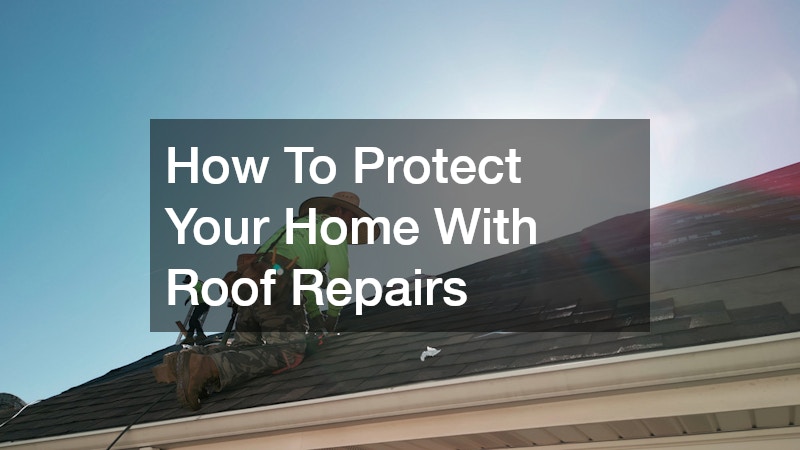
A well-maintained roof is one of the most important defenses a home can have. It shields the structure from harsh weather, prevents water damage, and preserves the overall integrity of the building. Even small, seemingly minor issues—like cracked shingles, worn flashing, or clogged gutters—can escalate into costly repairs, leaks, or serious structural problems if left unaddressed. By learning how to properly inspect, maintain, and repair their roof, homeowners can proactively protect their investment, extend the lifespan of their roofing system, and ensure that their home remains safe, comfortable, and durable for years to come.
Inspect Your Roof Regularly
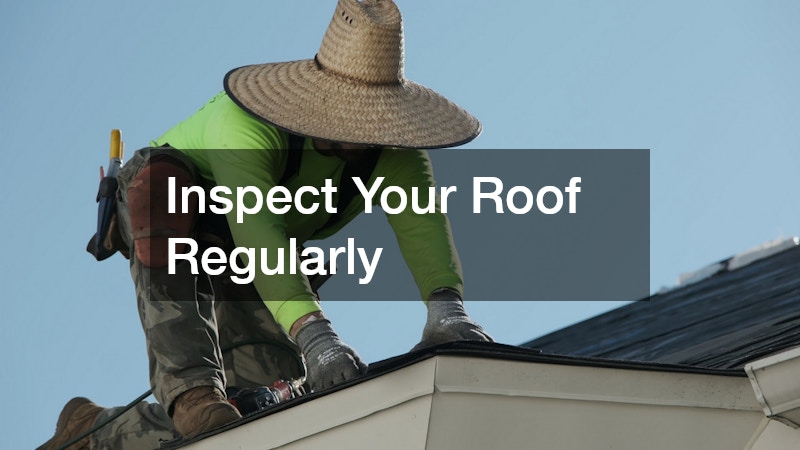
Regular roof inspections are essential for catching issues early. Homeowners should check for missing or damaged shingles, signs of water intrusion, and deteriorating flashing. Seasonal inspections—particularly after heavy storms or extreme weather—can reveal damage that isn’t immediately visible from the ground. For larger issues, professional residential roof repairs can prevent small problems from turning into major structural concerns. Make a habit of photographing your roof during inspections to track changes over time.
Additionally, homeowners can use binoculars to inspect areas that are hard to reach and make a checklist for common problem spots such as valleys, chimneys, and roof edges. Spotting discoloration, warping, or granule loss early allows for timely intervention, which saves both money and stress. Combining visual inspection with professional guidance ensures a thorough approach that protects the home year-round.
Homeowners should also establish a seasonal inspection schedule to catch weather-related damage promptly. For instance, spring inspections can reveal winter wear, while fall inspections prepare the roof for heavy rains and snow. Consistently tracking damage patterns helps in planning long-term maintenance and budgeting for residential roof repairs efficiently.
Address Leaks Promptly
Even small leaks can cause significant damage if left unaddressed. Water infiltration can weaken roof decking, damage insulation, and encourage mold growth inside walls. Roof repair services provide timely solutions to seal leaks, replace compromised shingles, and ensure the roof remains watertight. While waiting for professional repairs, homeowners can temporarily contain leaks with tarps or buckets to prevent water from spreading to interior spaces. Prompt attention reduces repair costs and prevents structural deterioration.
Homeowners should also document the location and severity of leaks, as this helps roof repair services determine the most effective solution. Understanding the underlying cause of leaks, whether from damaged flashing, worn shingles, or clogged gutters, ensures repairs address the root problem, not just the symptoms, preventing repeat issues in the future.
In addition, installing moisture sensors in attics or ceilings can alert homeowners to hidden leaks before they become visible. These proactive measures help reduce damage, protect insulation, and prevent mold growth, making roof repair services even more effective when intervention is needed.
Clean Your Roof Safely
Accumulated debris, moss, and algae can degrade roofing materials and retain moisture, leading to premature wear. Roof cleaning service providers can safely remove these hazards using specialized equipment and eco-friendly cleaning solutions. Homeowners should avoid walking on wet or slippery shingles and remove leaves and branches from gutters to maintain proper drainage. Regular cleaning not only improves the appearance of your home but also extends the lifespan of roofing materials.
In addition to professional cleaning, homeowners can implement preventive measures, such as trimming nearby trees, installing zinc or copper strips to limit moss growth, and ensuring proper attic ventilation to reduce excess moisture. A roof cleaning service can also advise on the best treatments for your roof type, ensuring that cleaning methods do not inadvertently damage shingles or tiles.
Routine roof maintenance can also include checking for algae or lichen growth on shaded roof sections, especially on north-facing slopes. Preventive cleaning reduces long-term wear, minimizes costly repairs, and maintains your roof’s visual appeal, ensuring the home remains protected and attractive.
Maintain Gutters and Downspouts
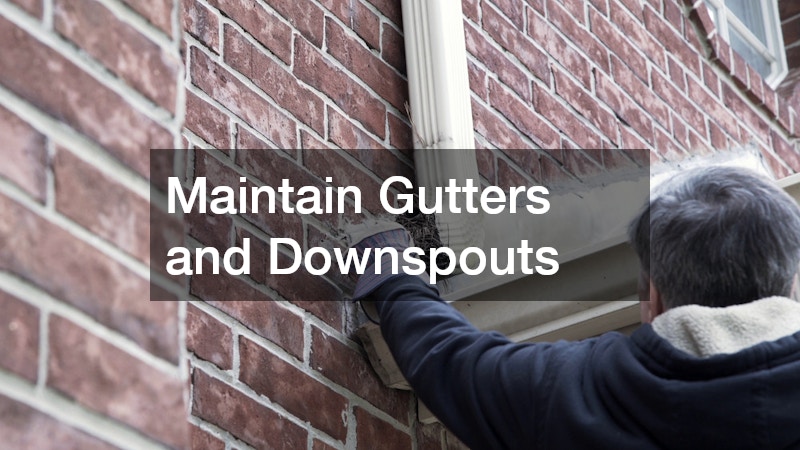
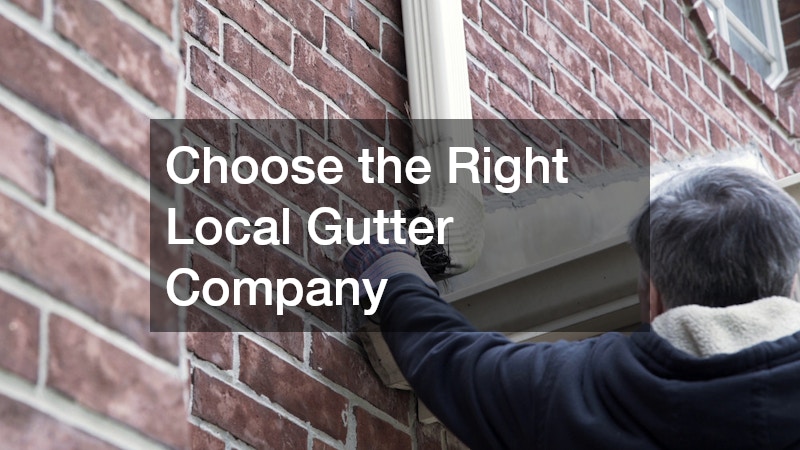
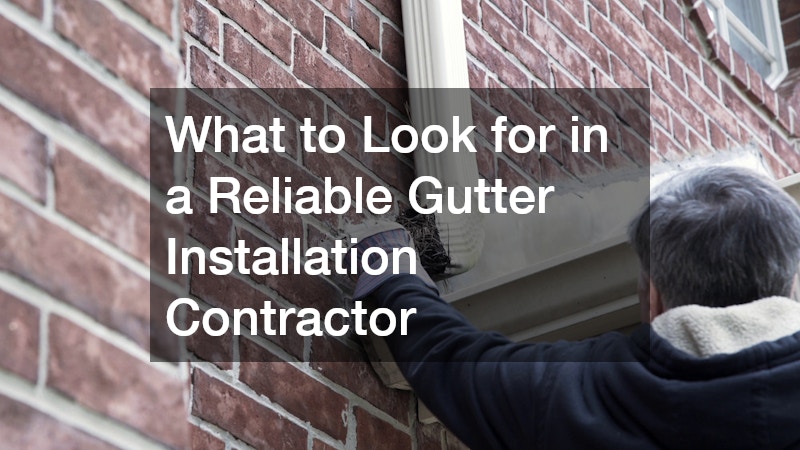
Gutters and downspouts play a crucial role in directing water away from the roof and foundation. Clogged gutters can cause water to pool on the roof, leading to leaks and accelerated material decay. Routine maintenance, either by homeowners or professional roofing services, ensures water flows correctly and reduces the risk of water damage. Installing gutter guards and checking for proper slope can further protect the roof and prevent costly repairs in the long run.
Regular inspection should also include checking for rust, sagging, or separation from the fascia board. Ensuring downspouts discharge water far enough from the home’s foundation prevents erosion, basement flooding, and pressure on roof edges. Roofing services can provide guidance on seasonal cleaning schedules and gutter enhancements that improve overall water management.
Additionally, homeowners can use leaf screens and mesh filters to minimize debris accumulation and inspect gutter joints for leaks or separation. Proactive gutter maintenance ensures water flows efficiently, protecting both roofing materials and the home’s structural foundation.
Trim Overhanging Trees
Tree branches that hang over a roof can cause physical damage during storms, scrape shingles, and drop leaves that clog gutters. A local roofer can assess risks and safely trim branches without harming the roofing structure. Removing overhanging trees also reduces the chance of pests, such as squirrels or insects, damaging the roof. Regularly inspecting the surrounding trees and scheduling professional trimming ensures that your roof stays safe from natural hazards.
Homeowners should also consider planting trees at a safe distance from the roof to reduce long-term maintenance. Choosing slow-growing species or those with a high branch clearance can minimize future trimming needs. A local roofer can provide recommendations for safe tree management, ensuring both roof protection and property aesthetics.
In addition, regular tree inspections can identify weak or diseased limbs before they become dangerous. Removing these hazards proactively prevents storm damage and minimizes the risk of expensive roof repairs, keeping both the roof and the surrounding landscape safe.
Replace Damaged Shingles or Tiles
Shingles and tiles act as the first line of defense against the weather. Cracked, missing, or curling shingles compromise the roof’s integrity and can lead to leaks. Roofers can quickly replace damaged sections, match new materials to existing ones, and restore the roof’s protective layer. Timely replacement prevents water intrusion, reduces energy loss, and maintains curb appeal. Even minor shingle damage, if ignored, can spread and create larger repair needs over time.
In addition, homeowners should inspect the surrounding shingles when one is damaged, as nearby materials may also be weakened. Roofers often recommend partial or full section replacement if multiple shingles are deteriorating, which ensures uniform protection and prevents future issues. This proactive approach increases the roof’s overall lifespan and keeps the home safe from hidden vulnerabilities.
Homeowners can also consider upgrading to impact-resistant shingles during repairs, which provide extra protection against hail, wind, and heavy rain. Roofers can recommend the best materials for local climate conditions, enhancing durability and long-term value.
Reinforce Flashing and Seals
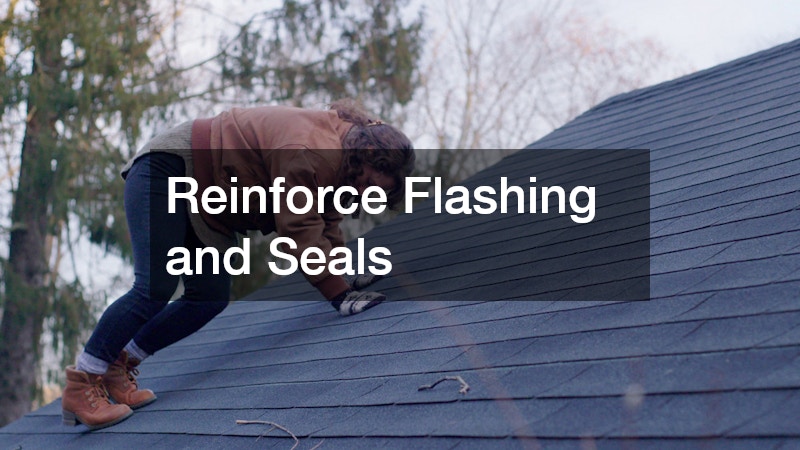
Flashing and seals around chimneys, vents, skylights, and roof edges are frequent points of leakage. A roofing contractor can inspect these areas for cracks, rust, or loose connections, and reinforce them with proper sealing techniques. Upgrading flashing and seals ensures that water is directed away from vulnerable areas, protecting the roof deck and interior walls. Regular maintenance of these critical points prevents costly water damage and extends the overall roof lifespan.
Homeowners should also check attic spaces for signs of leaks or water staining near flashing points. A roofing contractor can recommend sealants or metal flashing upgrades that are compatible with the roof material, providing long-term protection. Proper flashing maintenance is a cost-effective way to avoid structural damage that often goes unnoticed until it becomes severe.
It is also helpful to monitor sealants around skylights and vents for shrinking or cracking due to temperature changes. Routine inspection and reinforcement by a roofing contractor ensure these vulnerable points remain watertight and protect against seasonal weather extremes.
Schedule Professional Inspections
Even if your roof appears to be in good condition, hidden damage can compromise its structural integrity and lead to costly problems over time. Scheduling inspections with a local roof repair professional ensures that minor issues—such as underlayment deterioration, loose shingles, or small leaks—are identified and addressed before they escalate. A thorough inspection often includes evaluating ventilation, attic moisture, insulation, and structural support, providing a complete picture of your roof’s health. Conducting annual or biannual professional inspections is a proactive step that protects your home and prevents unexpected emergencies.
Professional inspections can also uncover potential problems related to roof age, weather exposure, or installation defects. Local roof repair specialists offer tailored recommendations based on regional climate conditions, helping homeowners prioritize necessary repairs and schedule maintenance efficiently. Regular professional oversight not only ensures the roof’s reliability but also provides peace of mind, reducing the risk of costly emergency interventions.
In addition to identifying immediate repairs, inspections give homeowners the opportunity to plan for future improvements, such as adding ridge vents, reinforcing roof framing, or upgrading flashing and seals. By combining preventive maintenance with strategic upgrades, a proactive inspection strategy keeps the roof functional, durable, and protected, ultimately extending its lifespan and safeguarding the overall home structure for years to come.
Upgrade Aging Roof Materials
Over time, roofing materials naturally degrade due to exposure to sun, rain, wind, and temperature fluctuations. A roofing company can recommend upgrades to more durable, energy-efficient options, such as synthetic shingles, metal roofing, or composite materials. Replacing aging or worn components improves protection against the elements, enhances energy efficiency, and can significantly increase home value. Proactive upgrades are often far less costly than emergency repairs following storm damage or structural failure.
Additionally, investing in high-quality materials can reduce insurance premiums and improve resale appeal. A roofing company can evaluate the roof’s current condition, recommend materials with long-term durability, minimal maintenance requirements, and aesthetic compatibility, and ensure that the upgrades complement the overall design of the home. Such thoughtful improvements make the roof both functional and visually appealing.
Homeowners can also pair material upgrades with insulation or underlayment enhancements, which help prevent heat loss, ice dams, and other energy-related issues. Coordinating these improvements through a roofing company ensures optimal performance, extends the roof’s lifespan, and maximizes long-term savings. By combining durable materials, energy efficiency, and professional guidance, homeowners can protect their investment and maintain a roof that performs reliably for years.
Plan Preventive Maintenance
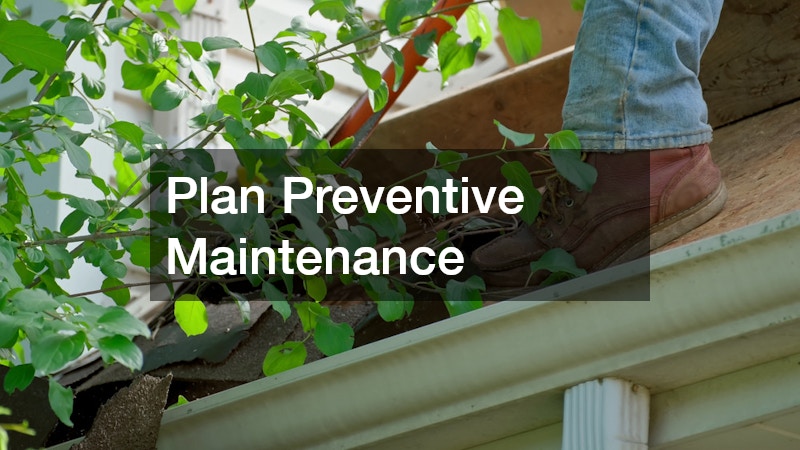
Preventive maintenance is the cornerstone of long-term roof protection. Homeowners should develop a routine plan that includes cleaning, minor repairs, inspections, and seasonal checks. Professional roofing services can assist in establishing a preventive schedule and provide guidance on early warning signs of wear. Regular maintenance reduces the risk of leaks, structural damage, and unexpected expenses, ensuring the roof remains reliable for years. A proactive approach maximizes the lifespan of your roofing system and safeguards your home’s structure.
Preventive maintenance can also include investing in protective coatings, weatherproofing vulnerable areas, and documenting all repairs for future reference. Keeping a maintenance log helps homeowners track recurring issues and provides useful information for roofing professionals, improving the efficiency and effectiveness of future repairs.
In addition, homeowners should coordinate maintenance with seasonal weather patterns, addressing potential ice dam areas in winter and ensuring attic ventilation in summer. Strategic preventive maintenance preserves roof longevity, prevents emergencies, and safeguards overall home value.
Protecting your home starts with a strong, well-maintained roof. By combining regular inspections, timely repairs, proper cleaning, and preventive maintenance, homeowners can safeguard their property from costly damage. Partnering with professionals, from roofers and roofing contractors to local roof repair specialists, ensures that your roof remains durable, functional, and visually appealing. Taking a proactive approach allows homeowners to address minor issues before they escalate, preventing water damage, structural weakening, and costly emergency repairs.
Investing in your roof today not only preserves structural integrity but also enhances long-term home value, comfort, and peace of mind. With consistent attention, proactive upgrades, and professional guidance, every homeowner can maintain a safe, reliable, and aesthetically pleasing roof that serves as the first line of defense for their home. Additionally, thoughtful planning and a comprehensive maintenance routine reduce future repair costs and provide confidence that the roof will continue to protect the family and the home for years to come. Regular monitoring, seasonal inspections, and timely interventions also ensure energy efficiency, prevent leaks, and extend the overall lifespan of roofing materials, making this investment both practical and financially wise.