In today’s housing market, few home improvements carry the same weight as a roof replacement. The roof is your home’s first line of defense against weather, moisture, and temperature extremes, yet it is often overlooked until problems become unavoidable. Beyond protection, a roof plays a direct role in energy efficiency, structural integrity, and resale value.
Understanding why roof replacement matters—and when it becomes necessary—helps homeowners protect their investment and avoid costly downstream issues.
How Do I Know When It’s Time for a Roof Replacement?
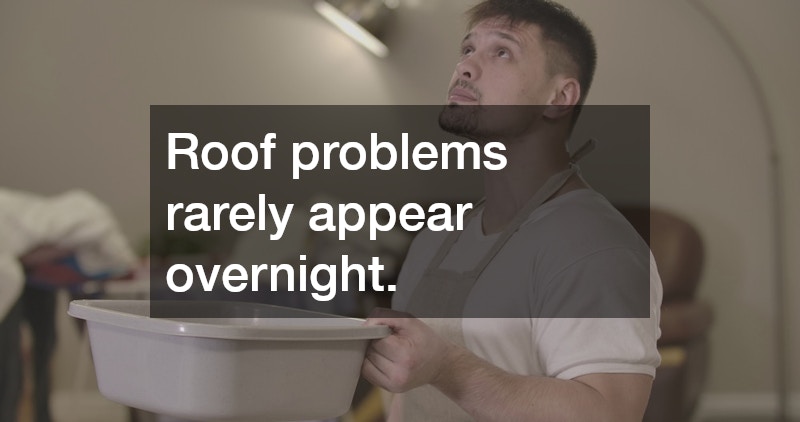
Roof problems rarely appear overnight. In most cases, there are early warning signs that indicate declining performance. Missing, curling, or cracked shingles are common indicators that materials are reaching the end of their usable life. Water stains on ceilings or walls, frequent leaks, and visible sagging areas signal more serious concerns that should not be ignored. Granule buildup in gutters, mold growth near rooflines, and daylight visible through attic boards can also point to underlying damage. Addressing these symptoms early can prevent further deterioration, but once damage becomes widespread, replacement is often the most cost-effective and reliable solution.
Understanding the expected lifespan of roofing materials helps homeowners plan ahead rather than react to emergencies. Asphalt shingles typically last 20–30 years, depending on quality and climate exposure. Metal roofing systems can perform for 40–70 years, while tile and slate roofs may last even longer when properly maintained. However, lifespan estimates assume ideal conditions and routine upkeep. Severe weather, poor ventilation, and improper installation can significantly shorten a roof’s life. If your roof is approaching the upper end of its expected lifespan, proactive replacement can help avoid sudden failures and unplanned expenses.
A professional inspection is often the most reliable way to determine whether repair or replacement is the right course of action. Roofing experts assess material condition, flashing integrity, ventilation, and structural components that homeowners may not be able to evaluate safely. An experienced contractor can also explain how localized damage compares to overall roof health. In many cases, repeated repairs on an aging roof cost more over time than a single replacement. Expert guidance provides clarity and helps homeowners make informed, financially sound decisions.
What Are the Benefits of Investing in Roof Replacement?
A new roof is one of the most visible and valuable upgrades a homeowner can make. From a buyer’s perspective, a recently replaced roof reduces future maintenance concerns and increases confidence in the property. This reassurance often translates into higher offers and faster sales. Even for homeowners not planning to sell immediately, improved curb appeal and structural reliability enhance long-term property value. Roof replacement is widely regarded as a high-return investment compared to many cosmetic upgrades.
Older roofs often lack modern insulation standards and reflective properties. Gaps, deteriorated materials, and poor ventilation allow conditioned air to escape, forcing HVAC systems to work harder. Modern roofing systems are designed to improve thermal performance through better underlayment, ventilation, and energy-efficient materials. As a result, homeowners often experience more consistent indoor temperatures and lower utility bills. Over time, these energy savings help offset the initial cost of roof replacement while improving overall comfort.
A compromised roof puts more than just shingles at risk. Water intrusion can weaken framing, promote mold growth, and damage electrical systems. In extreme cases, structural failure becomes a serious safety concern. Replacing an aging or damaged roof restores the home’s protective envelope. A structurally sound roof safeguards occupants, personal belongings, and the integrity of the home itself. This level of protection is especially critical in regions prone to storms, heavy snow, or high winds.
How Do I Choose the Right Roofing Contractor?
Finding a reliable local roofing contractor often starts with a targeted online search, such as typing “roof replacement evansville in” into Google. This approach helps homeowners quickly identify companies that actively serve the area and are familiar with local building codes, weather conditions, and permit requirements. Search results typically include business profiles, customer reviews, and service details, making it easier to compare experience and credibility at a glance. By focusing on local providers, homeowners can also benefit from faster response times, established community reputations, and contractors who are more accessible for follow-up service or warranty support.
Roof replacement quality depends heavily on the contractor’s expertise. Homeowners should verify licensing, insurance, and certifications before moving forward. Experience with the specific roofing material being installed is equally important, as installation standards vary widely between systems. A reputable contractor should be transparent about their process, materials, and warranty coverage. Proper credentials protect homeowners from liability and ensure the work meets local building codes and manufacturer requirements.
Reviews and testimonials provide valuable insight into a contractor’s reliability and workmanship. Consistent feedback regarding communication, timeliness, and post-installation support is often more telling than pricing alone. Homeowners should look for patterns rather than isolated complaints or praise. Contractors with a strong track record of satisfied customers are more likely to deliver a smooth, professional experience.
Roof replacement is a significant investment, and obtaining multiple estimates helps homeowners understand fair market pricing. Detailed estimates should outline materials, labor, timelines, and warranty terms to allow for accurate comparisons. The lowest bid is not always the best choice. Quality materials, skilled labor, and proper installation directly affect roof longevity and performance. A balanced approach—prioritizing value over price—helps ensure the investment delivers long-term returns.
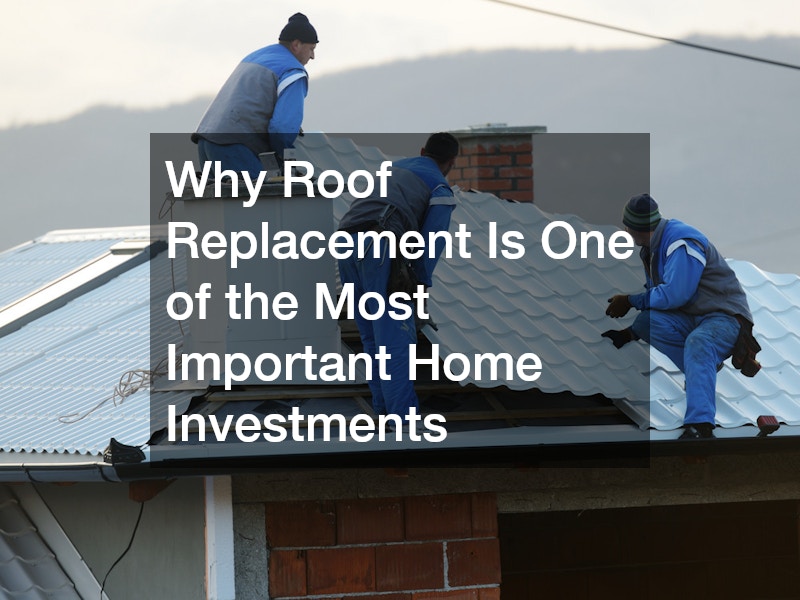
Roof replacement is one of the most important investments a homeowner can make, affecting protection, efficiency, and property value all at once. Recognizing the signs of roof failure, understanding material lifespans, and seeking professional guidance allow homeowners to act before problems escalate. When paired with the right contractor, a roof replacement delivers lasting benefits that extend far beyond aesthetics. By treating the roof as a critical asset rather than a deferred expense, homeowners protect both their homes and their financial future.