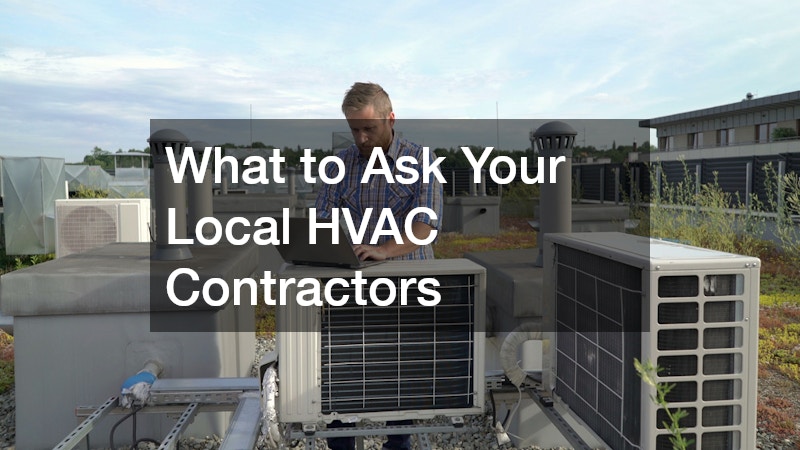
Understanding the basics of HVAC systems is crucial before hiring a contractor. HVAC stands for heating, ventilation, and air conditioning, representing the technologies responsible for indoor environmental comfort. Whether discussing residential or commercial settings, these systems play a key role in managing climate control, ensuring air quality, and catering to your energy efficiency needs.
When considering starting any HVAC project, having a clear understanding of the system you’re using or require can help in communicating effectively with local HVAC contractors. Knowing the type of HVAC system involved, whether it’s a split system, a hybrid system, or duct-free, is important when explaining your requirements and expectations.
Clear communication with your contractor can help prevent misunderstandings and ensure that the job meets all your requirements.
HVAC systems are not just about maintaining temperature but also about improving the overall air quality indoors. Modern systems focus on incorporating air purification, humidity control, and energy efficiency. Asking the right questions about the systems and their capabilities is essential in choosing the right HVAC contractor for your project, ensuring long-term satisfaction and improved indoor wellbeing.
Determining Contractor Qualifications
Before hiring an HVAC contractor, inquire about their qualifications and certifications to ensure professionalism and technical know-how. It’s critical to ascertain that the contractors hold the necessary licenses to operate within your state or locality—this attests to their compliance with regulations and knowledge of current HVAC standards. A certified contractor is not only legally compliant but also generally more reliable in terms of expertise and safety.
In addition to certifications, you may want to verify the contractor’s experience and the types of projects they have completed. Contractors with extensive years of experience handling a wide range of HVAC systems demonstrate adaptability and skill. Simply put, a well-experienced contractor often comes with a proven track record, reducing the likelihood of errors or substandard work.
Lastly, explore if the contractor is affiliated with any recognized professional bodies. Membership in associations such as the Air Conditioning Contractors of America (ACCA) or the National Association of Home Builders (NAHB) often requires adherence to certain professional standards. This affiliation can reflect the contractor’s commitment to quality and continuous improvement in their services.
Evaluating Service Offerings and Guarantees
Engaging local HVAC contractors isn’t just about the installation—it’s about evaluating all services they offer. Comprehensive services might include system design, installation, maintenance, and emergency repair options. Understanding the breadth of services can help in selecting a contractor who will partner with you throughout the lifecycle of your HVAC system.
Another aspect to consider is whether the contractor provides any guarantees or warranties on their work. Ask if there are manufacturer warranties on parts as well as a satisfaction guarantee on labor. This adds an extra layer of protection for you as a client, demonstrating confidence in their work and ensuring that they will address any potential issues post-installation.
Service offerings can also extend to financial considerations, such as financing options and advice on available tax credits or rebates. Some contractors may offer flexible payment plans to help manage the costs of a significant HVAC system investment. Being informed about these options can be immensely beneficial in planning and executing your HVAC project efficiently.
Assessing Energy Efficiency Solutions
Energy efficiency is an increasingly critical factor when selecting an HVAC system, given the rising energy costs and the environmental impact. Inquire about the energy-saving models and technologies the contractor can provide. This can range from programmable thermostats to high-efficiency systems designed to significantly reduce your overall energy consumption.
Ask your contractor how they assess the current efficiency of your existing system and what steps they might recommend to enhance it. This might involve conducting an energy audit to identify areas of improvement. By evaluating these areas, the contractor can suggest system upgrades or improvements that can lead to both cost savings and improved environmental performance.
Discuss potential government incentives for energy-efficient installations. Often, there are rebates or tax credits available for homeowners who install qualifying high-efficiency HVAC systems. Your contractor should be knowledgeable about these opportunities and assist in navigating these potential savings during your project planning phase.
Understanding Contractor References and Reviews
After narrowing down a list of potential HVAC contractors, take the time to check their references and reviews. These pieces of feedback offer an unfiltered look into the experiences of past clients. They can reveal valuable insights into the contractor’s reliability, professionalism, timeliness, and overall quality of service.
Request a list of references from the contractor themselves and take the initiative to contact these clients. Ask specific questions about their experience and any potential issues encountered during the project. This direct feedback can help you assess the contractor’s capability to deliver on their promises and ensure your chosen contractor is reputable.