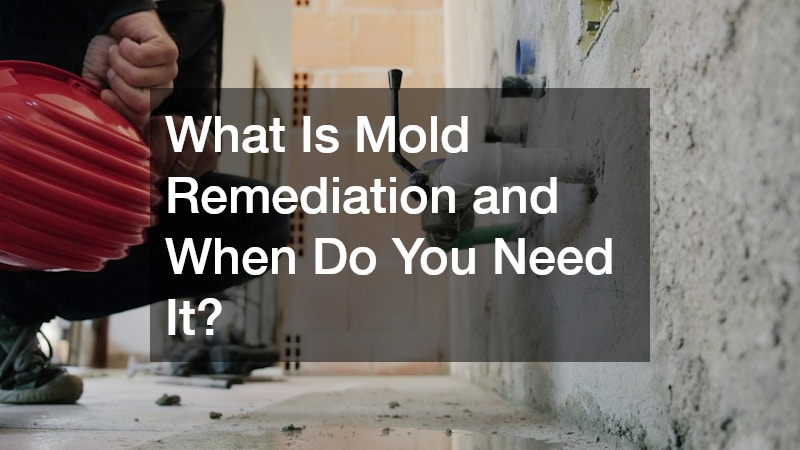
Mold is more than an unsightly nuisance; it poses serious risks to both property and health. Homes and businesses exposed to moisture can quickly develop mold growth, often hidden behind walls, under flooring, or in ventilation systems. Left untreated, mold can damage structural materials, lower property value, and create an unsafe living environment. Mold remediation is the professional process of identifying, containing, and safely removing mold from indoor spaces. Understanding when remediation is necessary and how it works is essential for maintaining a healthy and safe environment.
This article explores the mold remediation process, potential health risks, and when it is time to call a professional.
How Does Mold Remediation Work?
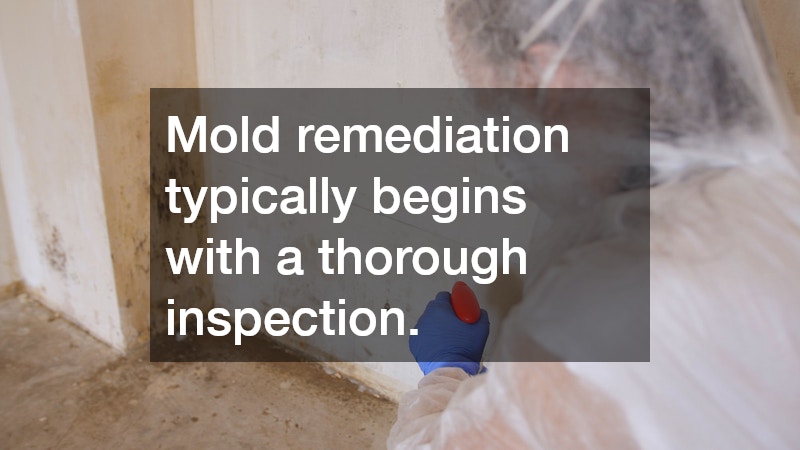
Mold remediation typically begins with a thorough inspection. Professionals assess the affected areas, identify the type of mold, and determine the extent of contamination. Once the scope of the problem is understood, containment measures are put in place to prevent mold spores from spreading to unaffected areas during cleanup. Next, remediation specialists remove contaminated materials. Porous materials such as drywall, insulation, or carpet may need to be discarded, while non-porous surfaces are cleaned and disinfected. After removal, the area is treated with antimicrobial agents, and moisture sources are addressed to prevent future growth. Finally, a post-remediation inspection ensures that the mold has been effectively eliminated and the environment is safe.
Mold remediation requires specialized tools and techniques to ensure safety and effectiveness. Professionals use personal protective equipment, including respirators, gloves, and protective suits, to minimize exposure to spores. Air filtration devices, such as HEPA vacuums and negative air machines, help remove airborne mold particles. Surface cleaning techniques may involve scrubbing, sandblasting, or chemical treatments, depending on the material and extent of contamination. Moisture meters and infrared cameras are often used to detect hidden water damage, allowing remediation specialists to address the root cause of mold growth rather than just removing visible mold.
Mold remediation can be complicated by hidden growth behind walls, under floors, or in HVAC systems. Certain types of mold, such as black mold, are particularly hazardous and require extra precautions. Moisture issues may persist, creating the risk of recurring growth if not properly addressed. A professional mold remediation company is trained to anticipate and resolve these challenges. By combining advanced tools, industry-standard techniques, and experience, professionals can effectively eliminate mold while minimizing damage and health risks.
What Are the Health Risks of Mold Exposure?
Mold exposure can cause a variety of immediate health symptoms. Common reactions include coughing, sneezing, nasal congestion, eye irritation, skin rashes, and throat irritation. Some individuals may experience headaches, fatigue, or respiratory difficulties, particularly when mold spores are inhaled over time.
Prolonged exposure to mold can result in chronic health issues. Individuals with asthma or respiratory conditions may experience worsening symptoms, while repeated exposure can increase the risk of persistent sinus infections or bronchitis. In severe cases, mold exposure may contribute to more serious respiratory complications or immune system responses.
Certain populations are more susceptible to mold-related health issues. Young children, the elderly, and individuals with compromised immune systems are at higher risk. Pregnant women and those with pre-existing respiratory conditions should also exercise caution in environments with mold. Because of these heightened risks, professional remediation is often the safest course of action for affected households.
When Should You Consider Professional Mold Remediation?
Professional mold remediation is necessary when mold growth is extensive, persistent, or located in hard-to-reach areas. Signs that it may be time to call an expert include a musty odor, visible mold covering more than ten square feet, recurring mold after cleaning, or water damage that cannot be controlled.
While small, localized mold growth may sometimes be handled with careful DIY cleaning, professional remediation is recommended for significant infestations or hazardous mold types. DIY methods often fail to remove hidden mold, increasing the risk of recurrence. Hiring a professional mold remediation company ensures proper containment, removal, and follow-up inspection, providing peace of mind and long-term protection.
The cost of professional mold remediation varies depending on the severity of the infestation, the materials affected, and the size of the property. Factors such as mold type, accessibility, and required containment measures also influence pricing. While professional services may involve higher upfront costs than DIY attempts, the long-term value of thorough, safe remediation often outweighs potential repair or health expenses caused by incomplete cleanup.
Mold remediation is a critical step in maintaining a safe and healthy home environment. By understanding the mold remediation process, the health risks associated with exposure, and when professional intervention is necessary, homeowners can make informed decisions about protecting their property and well-being. Hiring a professional mold remediation company ensures that mold is removed safely and effectively, addressing both the visible growth and the underlying moisture issues that contribute to recurrence. With proper remediation, you can restore your home, prevent future damage, and safeguard the health of everyone in your household. By recognizing the signs of mold, evaluating the severity of an infestation, and trusting trained professionals, you can manage mold risks efficiently and maintain a healthier living space.