Property maintenance is frequently viewed through the lens of aesthetic appeal and neighborhood pride, but its true value is revealed when environmental conditions take a turn for the worse. Your home is not merely a visual statement; it is your first, last, and most critical line of defense against the unpredictable devastation of severe weather seasons. Whether your region faces torrential spring downpours, high-velocity summer hurricanes, intense autumn hailstorms, or severe winter ice accumulation, your property must be structurally prepared to withstand heavy environmental stress.
Waiting until a major storm warning is actively broadcast to inspect your property is a recipe for catastrophic failure. By the time a severe system approaches, emergency supply lines are depleted, contractor schedules are entirely booked, and the window for safe, effective mitigation has slammed shut. This leaves you vulnerable to expensive emergency repair premiums, structural failures, and compromised household safety.
Transitioning from a reactive state of anxiety to a proactive state of total storm readiness requires an in-depth understanding of your home’s structural vulnerabilities. The most effective mitigation strategy involves hardening the two most critical zones of any building envelope: the overhead shield that bears the brunt of high winds and downpours, and the subsurface foundation that manages the resulting water table expansion. This comprehensive guide provides an analytical, step-by-step blueprint designed to fortify your property, regulate extreme water runoff, and preserve your long-term peace of mind.
Evaluating and Fortifying the Home’s Overhead Shield
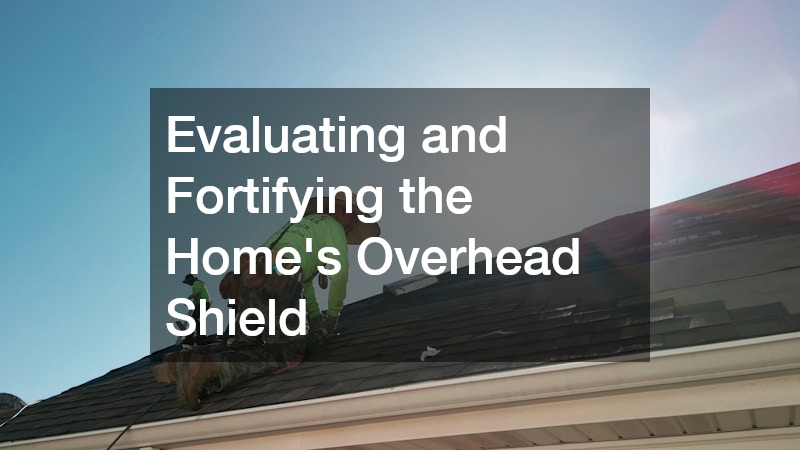
The roof is undeniably the most exposed and vulnerable system on any residential structure. During a severe weather event, it faces a combination of uplifting wind forces, blunt impact from flying debris, and millions of gallons of pressurized water. A single structural weakness—such as a loose flash layer, an aging shingle, or a slightly compromised deck seam—can allow water to infiltrate the attic, destroying insulation and threatening your home’s structural stability.
Conducting a thorough ground-level or ladder-safe visual inspection is the crucial initial step in your fortification process. You must look closely for signs of advanced weathering, such as shingles that are curling at the edges, cracking under thermal stress, or losing their protective mineral granules. Pay meticulous attention to the metal valleys and the flashing surrounding chimneys, skylights, and ventilation pipes, as these transitions are responsible for the vast majority of storm-related breaches.
While some minor issues can be spotted by an amateur observer, many structural vulnerabilities remain entirely hidden beneath the surface. Engaging a team of licensed roofing contractors to perform an advanced structural evaluation is the most reliable way to find concealed deck rot, compromised underlayments, and loose fasteners before the peak of storm season. These professionals possess the specialized equipment and diagnostic training required to determine if your system can be salvaged through a targeted roof repair or if the underlying materials have deteriorated past the point of safe service, requiring a complete system overhaul.
To systematically reinforce your overhead shield before bad weather hits, focus on these critical actions:
- Secure or replace loose, lifting, or damaged shingles immediately to prevent high winds from catching the edges and tearing large sections away.
- Apply high-grade solar-resistant roofing cement to seal minor gaps around flashing bases, vent boots, and valley joints.
- Inspect the attic interior during a heavy rainstorm to check for damp rafters, stained roof decking, or slow, dripping leaks that indicate a breach.
- Ensure all structural roof vents are securely fastened to their housing units so they are not torn away by sudden barometric pressure drops.
Navigating Full System Upgrades for Maximum Storm Resilience
When an aging roof has reached the end of its functional lifespan, attempting to extend its service with superficial patches is a counterproductive strategy that leaves your entire home at risk. In regions characterized by frequent high-velocity wind events, severe hail, or heavy snow accumulations, upgrading to modern, impact-rated materials is a highly effective structural investment. Modern manufacturing advancements have introduced resilient options that far outperform the standard materials used in decades past.
Transitioning to a highly resilient architectural profile requires a comprehensive understanding of the logistics involved in a full tear-off. A complete replacement allows builders to inspect the raw plywood decking underneath, replace sections weakened by dry rot, and install advanced synthetic water-resistant barriers that act as a redundant shield against wind-driven rain. If your home is located in a high-risk zone, utilizing a manufacturer-certified roofing company guarantees that your new system is installed according to exact wind-velocity specifications, maximizing your long-term warranty protection.
Investing in new roof installations during the regional off-season is a highly strategic approach for homeowners looking to secure their properties before seasonal emergencies arise. Scheduling your structural upgrade early ensures that you can secure premium materials, avoid the extended scheduling backlogs that follow natural disasters, and enter the active storm season with an unyielding protective barrier.
To ensure your comprehensive roofing upgrade provides maximum storm protection, implement the following design elements:
- Specify Class 4 impact-resistant shingles or heavy-gauge standing seam metal panels that are engineered to withstand large hail and high winds without fracturing.
- Mandate the installation of a self-adhering ice and water shield along the eaves, valleys, and rakes to prevent moisture from backing up under shingles.
- Upgrade to heavy-duty, ring-shank nails rather than standard smooth staples to vastly improve the wind-uplift resistance of your roof decking.
- Optimize your attic ventilation configuration to prevent extreme heat and moisture buildup, which can prematurely weaken the roof structure from within.
Selecting Local Specialists for Emergency and Structural Roofing

The geographical location of your property plays a defining role in the specific types of weather hazards your home must endure. A roof designed to withstand the heavy, sustained snow loads of northern winters requires a completely different structural profile and fastening schedule than a roof engineered to resist the intense, humid wind-uplift forces of coastal hurricane zones. Consequently, generic, one-size-fits-all construction methods are insufficient for true storm resilience.
When evaluating building professionals to fortify or restore your home, prioritizing regional operational history is essential. The aftermath of a severe storm season frequently brings an influx of out-of-state contractors who travel into damaged areas looking for quick cleanup work. To protect yourself from substandard craftsmanship and warranty abandonment, you must rely on established local roofers who maintain permanent physical offices, hold valid regional business licenses, and possess an intimate understanding of your local municipal building codes.
In the unfortunate event that a severe weather system compromises your home, having a pre-vetted local specialist on hand is invaluable. They can rapidly deploy emergency response crews to apply structural tarps and secure exposed framing, preventing secondary water damage. If your home suffers widespread structural damage, these professionals will manage the intricate technical timeline required for a comprehensive roof replacement, working directly with structural engineers and insurance adjusters to restore your home to peak condition.
To identify and secure trustworthy local craftsmanship for your property, prioritize the following vetting steps:
- Verify that the contractor possesses comprehensive general liability insurance and workers’ compensation coverage specifically validated for your state.
- Request a list of local references from projects completed at least three to five years ago to evaluate how their work withstands your local climate over time.
- Ensure the company provides an explicit, written labor warranty that covers installation errors independently of the manufacturer’s material warranty.
- Confirm that the contractor is registered and in good standing with regional trade associations and your local Better Business Bureau.
Diverting Torrential Rainfall Away from the Foundation
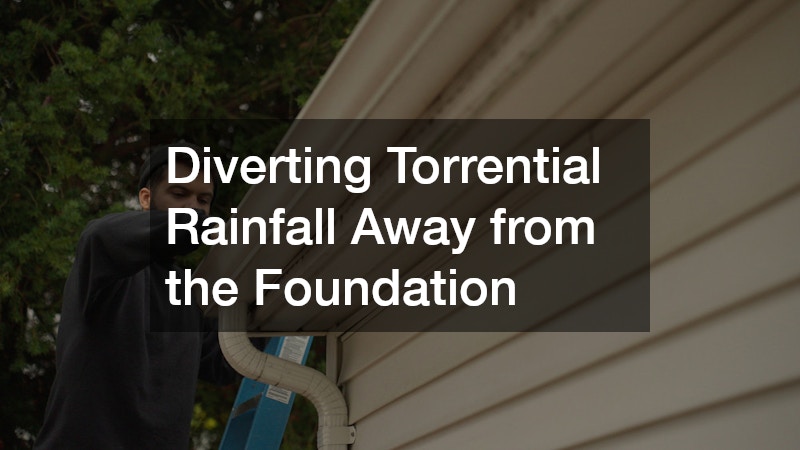
While keeping water out of your living space through overhead protection is vital, managing where that water goes once it leaves your roof line is equally critical. During an intense storm, a standard residential roof sheds thousands of gallons of water. If this massive volume of runoff is allowed to cascade directly off the eaves, it will pool violently along your home’s perimeter, eroding your landscaping, rotting your wooden fascia boards, and oversaturating the soil directly adjacent to your foundation.
An efficient, properly balanced water-diversion system is mandatory to handle the extreme volume of seasonal downpours. Many older properties are equipped with undersized, poorly pitched channels that rapidly overflow during tropical downpours or heavy summer thunderstorms. Upgrading to seamless, high-capacity 6-inch channels paired with oversized downspouts ensures that water is captured instantly and channeled safely away from your structure’s footprint.
Executing a complete gutter replacement is an exceptionally effective method to eliminate structural weak points such as sagging channels, leaky miter joints, and failing hangers. To maximize the effectiveness of this water-management system, you should incorporate these upgrades into a broader suite of residential roofing services. This holistic approach ensures that your roof drip edges, downspout extensions, and peripheral flashing networks work in perfect harmony to keep moisture entirely isolated from your home’s structural framing.
To optimize your property’s water-diversion infrastructure before the heavy rains arrive, implement these specific practices:
- Install heavy-duty, internal screw-in hangers rather than traditional spikes to ensure your channels remain firmly anchored to the fascia under heavy water loads.
- Clear all leaves, twigs, and organic sediment from the entire system at least twice a year to prevent blockages that cause water to back up under your shingles.
- Attach rigid, extended downspout clear-outs or underground drain tiles to discharge captured rainwater at least six to ten feet away from your foundation wall.
- Install robust stainless steel micro-mesh guards over your channels to keep debris out, ensuring completely unobstructed water flow during unexpected downpours.
Sealing the Underbelly of the Structure Against Rising Water Tables
As torrential rains saturate the earth, the water table beneath your property expands rapidly, exerting immense hydrostatic pressure against your subterranean foundation walls. Concrete is inherently a porous, crystalline material; when surrounded by completely saturated soil, it acts like a dense sponge. Microscopic moisture can easily penetrate solid concrete blocks, while hairline cracks and weak cold joints provide clear pathways for liquid water to flood your subterranean spaces.
Protecting the lower levels of your home requires an aggressive, multi-layered approach to moisture mitigation. Relying on simple interior waterproofing paints or superficial sealants is insufficient against sustained hydraulic pressure. To achieve true, long-term dry conditions, you must engage a specialized waterproofing contractor who can diagnose the specific migration paths of subsurface moisture and design a comprehensive containment system.
A professional approach to building defense frequently involves a combination of exterior moisture barriers and interior water management. Implementing a robust basement waterproofing strategy involves installing commercial-grade elastomeric membranes on the exterior foundation walls, setting up automatic heavy-duty sump pumps with reliable battery backups, and constructing interior or exterior drainage systems to relieve water pressure before it ever breaches your living space. This comprehensive protection prevents the formation of toxic mold, preserves your indoor air quality, and protects your home’s structural framing from wood rot and shifting.
To fortify the lower levels of your structure against rising water tables, implement these targeted measures:
- Inspect your interior foundation walls using a high-intensity light source to find, grind out, and inject polyurethane or epoxy resins into all visible hairline cracks.
- Install a commercial-grade sump pump equipped with an independent, water-activated mechanical float switch and a deep-cycle marine battery backup system.
- Apply a thick, rubberized waterproofing coating to exposed exterior foundation stems above the final soil line to block lateral moisture intrusion.
- Install a high-capacity dehumidification system in your crawlspace or basement to maintain relative humidity below fifty percent, preventing fungal growth.
Creating an External Perimeter Defense Zone
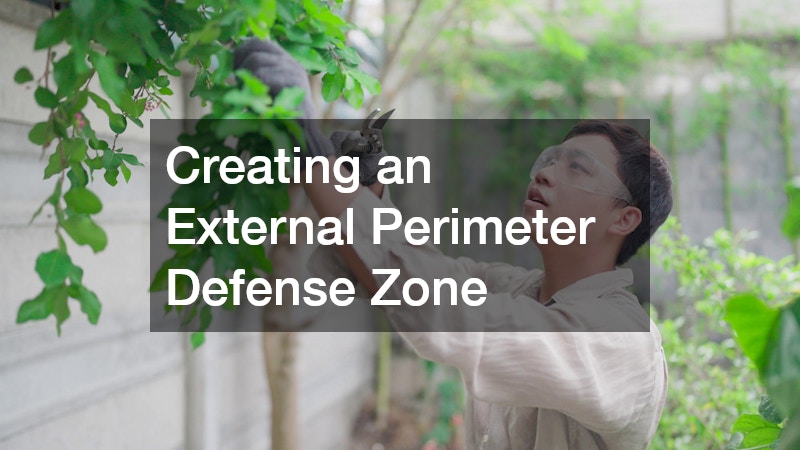
The final phase of hardening your property for severe weather seasons requires stepping back from the primary structure to evaluate your surrounding landscape. Your exterior environment contains numerous variables that can quickly transform into hazardous projectiles or structural hazards when exposed to high-velocity winds and saturated soil conditions. Establishing a resilient perimeter defense zone is vital to ensure that your structural reinforcements are not undone by falling trees or localized exterior flooding.
Managing your property’s vegetation is one of the most critical aspects of external storm preparation. Mature trees add immense value and beauty to a home, but dead wood, diseased limbs, and unbalanced crowns pose a severe threat during high-wind events. Heavy, overhanging branches can easily snap under structural stress, crashing through your freshly reinforced roof or tearing down critical utility lines.
Simultaneously, the physical topography of your yard must be carefully modified to complement your structural water-diversion systems. Over years of land settling and landscaping changes, the natural slope of the soil around a house can reverse, creating a basin that traps standing water against the building envelope. Restoring a positive drainage grade is a foundational maintenance task that should be addressed before the heavy rainy season begins.
To establish a highly effective perimeter defense zone around your property, utilize this operational checklist:
- Hire a certified arborist to evaluate the health of large trees near your home, removing dead wood and thinning dense canopies to reduce wind resistance.
- Regrade the soil around your foundation perimeter so it slopes downward at least six inches over the first ten horizontal feet away from your walls.
- Secure or store all loose exterior items, such as patio furniture, garbage receptacles, garden tools, and trampolines, in a locked shed before a storm.
- Clean out all neighborhood drainage ditches, curb cutouts, and culverts adjacent to your property lines to ensure municipal runoff flows smoothly away from your land.
Conclusion
These protective modifications eliminate the vulnerabilities that lead to catastrophic insurance claims and structural displacement, ensuring your household remains safe and secure regardless of the forecast. Do not wait for the first storm clouds to gather on the horizon; take command of your property’s defense today and establish a legacy of resilience that will protect your home for decades to come.