Your roof is one of the most important components of your home. It protects you from the elements, keeps you comfortable, and enhances your property’s curb appeal. Over time, however, your roof can begin to show signs of wear and tear. Whether due to age, damage from storms, or simple wear, recognizing when it’s time for a roof replacement can save you from costly repairs or unexpected leaks down the line. Knowing the signs and understanding the state of your roof can help you make informed decisions about roof maintenance, repairs, or replacement.
In this comprehensive guide, we’ll explore the key indicators that it’s time to replace your roof. From visible damage to performance issues, we’ll walk you through the signs to look out for, the different types of roofing materials available, and how to choose the right roofing contractor for the job. Whether you’re dealing with an aging asphalt shingle roof, considering metal roofing for your next home upgrade, or simply curious about the condition of your current roof, this guide will help you understand what to look for.
1. Age of the Roof
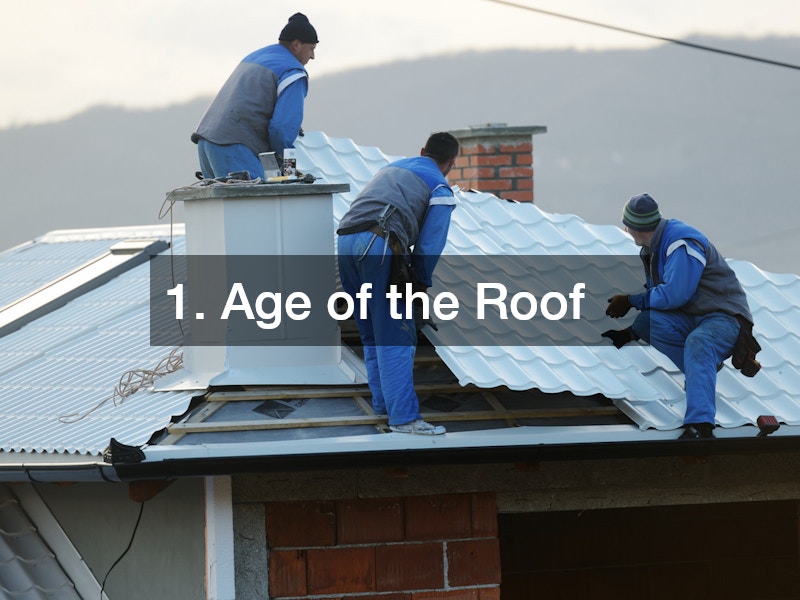
The age of your roof plays a significant role in determining whether it’s time for a replacement. Most roofs are designed to last for a certain number of years, depending on the type of material used. Asphalt shingle roofs typically last between 15 and 25 years, while metal roofing can last 40 to 70 years. If your roof is approaching the end of its lifespan, it’s wise to start planning for a replacement, especially if you’re noticing other signs of wear.
For example, if your roof is over 20 years old and you’ve never had a roof replacement before, you may start experiencing more frequent roof repairs. In this case, continuing to patch up the roof can become a costly endeavor, and replacing it entirely may be a more cost-effective solution. It’s important to keep track of your roof’s age and consult with roofing companies to assess whether it’s time to replace the entire system or if some repairs will suffice.
2. Curling or Buckling Shingles
One of the most noticeable signs of a deteriorating roof is curling or buckling shingles. When shingles curl, they no longer provide a watertight seal, which can lead to leaks and water damage. Curling usually occurs due to age, heat, and moisture, especially when the shingles are made from asphalt. As they age, they become brittle and lose their flexibility, making them more prone to curling or buckling.
If you notice that your shingles are lifting up or curling at the edges, it’s time to have your roof inspected by local roofers. While some minor curling can be repaired, extensive damage often requires a full replacement to ensure your home remains protected from the elements. If you’re experiencing this issue, consult with a roofing contractor to determine whether a repair or complete replacement is necessary.
3. Missing Shingles
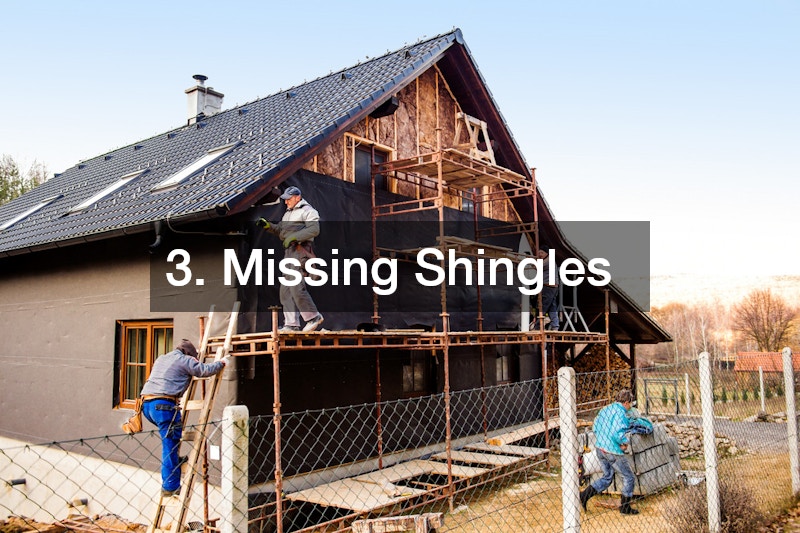
Missing shingles are another sign that your roof may need to be replaced. Shingles can blow off during storms or degrade over time, leaving parts of your roof exposed. This can leave your home vulnerable to leaks and further damage. If you notice several shingles missing, or if your roof looks patchy, it’s a strong indication that your roof is not performing as it should.
While a few missing shingles can be repaired, a widespread issue with missing shingles usually points to the need for a new roof. A roofing company can assess the extent of the damage and provide advice on whether a full replacement is necessary or if patching up the roof will suffice.
4. Granules in the Gutter
If you notice small, gritty pieces of material in your gutters, it could be a sign that your shingles are deteriorating. Asphalt shingles are coated with granules that help protect the roof from UV rays and weather. Over time, these granules wear off, and you may see them collecting in your gutters. If you find a significant amount of granules in your gutters, this is a sign that your roof is aging and losing its protective layer.
A roof with missing granules is less effective at protecting your home from the elements, and the roof may be nearing the end of its lifespan. In this case, it’s a good idea to contact a roofing contractor to inspect the roof and determine if a replacement is necessary.
5. Roof Leaks and Water Stains
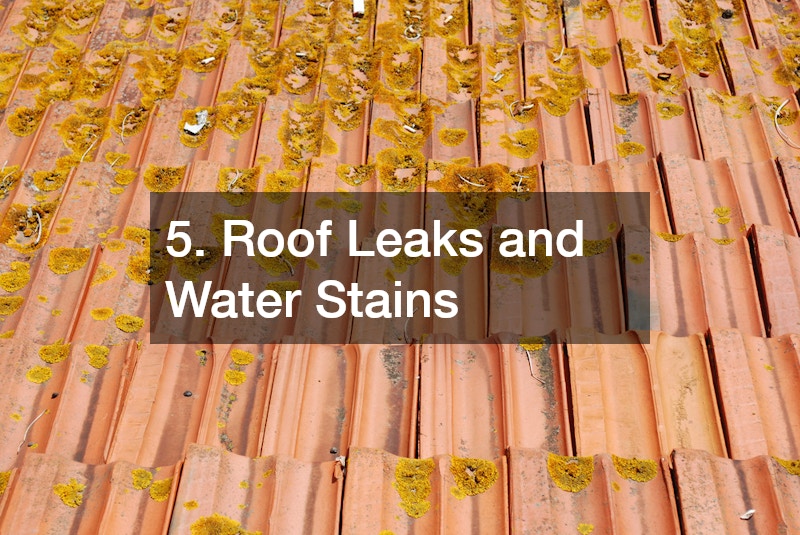
Water stains on your ceiling or walls are one of the most obvious signs that your roof is leaking. Leaks can occur when shingles are damaged, or when flashing around chimneys, vents, or skylights deteriorates. If you notice water stains inside your home, it’s important to act quickly, as water damage can lead to mold, rot, and even structural issues if left untreated.
While small leaks can sometimes be repaired with roof repairs, repeated or widespread leaks may indicate that your roof is no longer able to provide adequate protection. If you have persistent leaks despite repairs, it’s time to consider a roof replacement. A roofing company can assess the condition of your roof and recommend the best course of action.
6. Light Coming Through the Roof Boards
Go into your attic during the day and check to see if any light is coming through the roof boards. If you can see daylight shining through the roof, it’s a clear indication that your roof has gaps or holes. This can lead to water intrusion, pests, and further damage to the structure of your home.
If you notice this issue, it’s important to have a professional roofing contractor inspect the roof immediately. While minor holes can sometimes be repaired, larger areas of damage often require a full roof replacement.
7. Sagging Roof Deck
A sagging roof deck is a serious issue that typically indicates structural damage. If you notice that your roof appears to be sagging or bowing in certain areas, it could be due to water damage, excessive weight from snow or ice, or a compromised roofing structure. A sagging roof deck can result in further damage and may eventually collapse if left unaddressed.
If you notice a sagging roof, it’s crucial to contact a local roofing service immediately. A professional roofer will inspect the structure and determine if the roof can be repaired or if a complete replacement is needed to restore the safety and integrity of your home.
8. Excessive Roof Repairs
If you find yourself needing roof repairs year after year, it may be time for a roof replacement. While minor repairs are normal for any roof, if you’re spending a significant amount of money on frequent repairs, it may be more cost-effective to replace the roof entirely.
Repeated repairs often signal that the roof is reaching the end of its lifespan and no longer provides adequate protection. At this point, replacing the roof will give you peace of mind knowing that you have a secure, long-lasting roofing system that will protect your home for years to come.
9. Increase in Energy Bills
If your energy bills have been rising unexpectedly, it could be a sign that your roof is no longer performing efficiently. A damaged or aging roof can allow air to escape, making it harder to maintain a comfortable temperature inside your home. Poor insulation due to roofing issues can also cause your HVAC system to work harder, leading to higher energy costs.
Upgrading to a more energy-efficient roofing system can help reduce your energy bills and improve the comfort of your home. Metal roofing, for example, is known for its energy efficiency, reflecting sunlight and reducing heat absorption. If you’re experiencing higher energy costs and have noticed other signs of residential roofing damage, it may be time to consider a roof replacement.
10. The Type of Roofing Material
The type of roofing material you have will also impact how often you need a replacement. For instance, asphalt shingle roofs typically last 15 to 25 years, while metal roofing can last much longer, often 40 to 70 years. If you have a roofing material that is nearing the end of its expected lifespan, it’s important to start thinking about replacement before it causes any significant issues.
Additionally, the material you choose for your new roof can impact the overall performance of your home. Metal roofing services are a popular option due to their durability, longevity, and energy efficiency. Many roofing companies offer a variety of roofing materials, and a roofing contractor can help you select the best option for your home’s needs and budget.
11. Choosing the Right Roofing Contractor
When it’s time for a roof replacement, it’s essential to choose a reputable roofing contractor. Roofing is a major investment, and hiring a qualified professional ensures that the job is done right. A reliable roofing company will offer a thorough inspection, provide a detailed estimate, and help you choose the best roofing materials for your home.
Before hiring a roofing contractor, check their credentials, ask for references, and ensure they are licensed and insured. Local roofers are often a great option, as they are familiar with the specific climate and roofing needs in your area. Don’t hesitate to get multiple estimates and compare local roofing services to find the best roofing company for your needs.
12. The Cost of Roof Replacement
Roof replacement can be a significant investment, but it’s one that pays off in the long run. The cost of a new roof will depend on various factors, including the size of your home, the materials used, and the complexity of the roof installation. While it may seem expensive upfront, a new roof can save you money on repairs, energy bills, and potential water damage.
When considering roof replacement, it’s important to get quotes from several roofing companies and weigh the benefits of different roofing materials. Keep in mind that while cheaper options may be available, investing in high-quality materials like metal roofing can provide long-term value and durability. Be sure to budget for the entire project, including installation, permits, and any necessary repairs.
Recognizing when it’s time for a roof replacement is crucial for maintaining the integrity of your home. Whether you’re dealing with missing shingles, leaks, or the natural wear and tear that comes with age, timely roof replacement can prevent further damage and save you from costly repairs down the line. A deteriorating roof not only affects the aesthetics of your home but can also lead to serious structural issues, mold, and water damage. Addressing these concerns early ensures the safety and comfort of your home for years to come and helps maintain the value of your property.
When it’s time for a roof replacement, consider the benefits of modern roofing materials like metal roofing. Known for its durability, longevity, and energy efficiency, metal roofing is an excellent investment that offers long-term protection. Asphalt shingles are also a popular option for homeowners seeking a cost-effective and reliable solution. Consulting with a professional roofing contractor will help you choose the best material suited to your home’s needs, climate, and budget. With the right material and installation, your new roof will perform optimally and protect your home for many years.
Working with a trusted roofing company is essential to ensure the installation is done properly. Whether you’re opting for a roof replacement or simply making necessary repairs, choosing local roofers with experience and a strong reputation will guarantee the job is done right. A professional roofing contractor can assess your roof’s condition, provide an accurate estimate, and guide you through the entire process from start to finish, making the experience much smoother and stress-free.
Finally, don’t forget the importance of regular roof maintenance after a replacement. Routine inspections, gutter cleaning, and prompt repairs can extend the lifespan of your new roof and help you avoid future issues. Investing in a quality roof today can protect your home for many years to come, providing peace of mind and enhancing both its value and curb appeal. With proper care and timely intervention, your roof will continue to serve as a strong defense against the elements, keeping your home safe, secure, and comfortable.