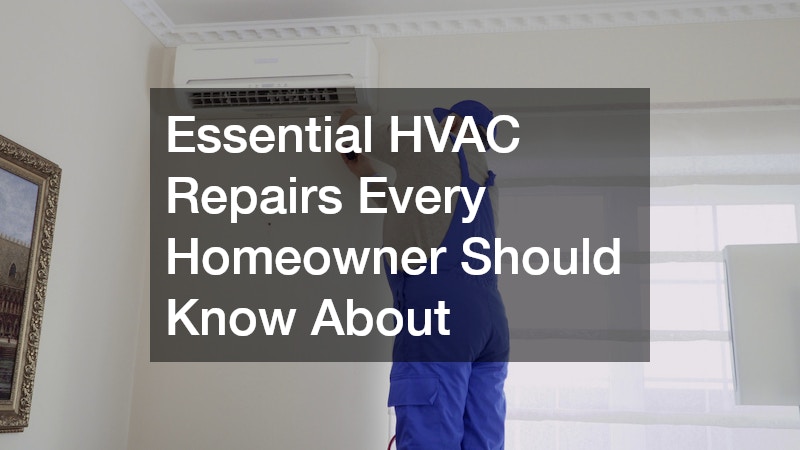
A properly functioning HVAC system is essential for maintaining comfort in your home, ensuring clean air, and keeping energy bills under control. Unfortunately, HVAC systems, like any mechanical equipment, can experience wear and tear over time. Understanding common HVAC repairs can help homeowners detect problems early, prevent costly breakdowns, and extend the life of their system. This guide outlines the essential HVAC repairs every homeowner should know about and offers insights into keeping your system running efficiently.
Inspect and Replace Air Filters Regularly
One of the simplest yet most important aspects of HVAC maintenance is ensuring that air filters are clean and replaced on a regular schedule. Air filters trap dust, allergens, and debris, preventing them from circulating throughout your home.
When filters become clogged, the system has to work harder to push air, leading to increased energy consumption and strain on components like the blower motor.
Replacing air filters is a straightforward task that homeowners can do themselves. Generally, filters should be checked every month and replaced every 1–3 months, depending on the type of filter and household conditions. This small step not only improves indoor air quality but can also prevent more serious HVAC repairs down the line. Ignoring this basic maintenance task can lead to reduced airflow, frozen coils, and even system failure.
Repair or Replace Faulty Thermostats
A malfunctioning thermostat can cause uneven heating or cooling, unexpected temperature swings, and higher utility bills. Thermostats serve as the control center of your HVAC system, signaling when the system should turn on or off. If the thermostat is not working properly, your system may run continuously or fail to engage when needed.
In some cases, recalibrating the thermostat or replacing batteries can resolve the issue. However, older mechanical thermostats may need a full replacement with a newer digital or smart model for optimal performance. Smart thermostats not only improve temperature control but also provide insights into energy usage, helping homeowners save on utility costs while ensuring their HVAC system operates efficiently.
Address Refrigerant Leaks and Low Levels
Refrigerant is the substance responsible for absorbing heat and cooling the air in your HVAC system. Low refrigerant levels or leaks can significantly reduce cooling efficiency and cause the system to overwork, leading to further damage. Signs of refrigerant issues include hissing sounds, ice formation on coils, and warm air blowing from vents.
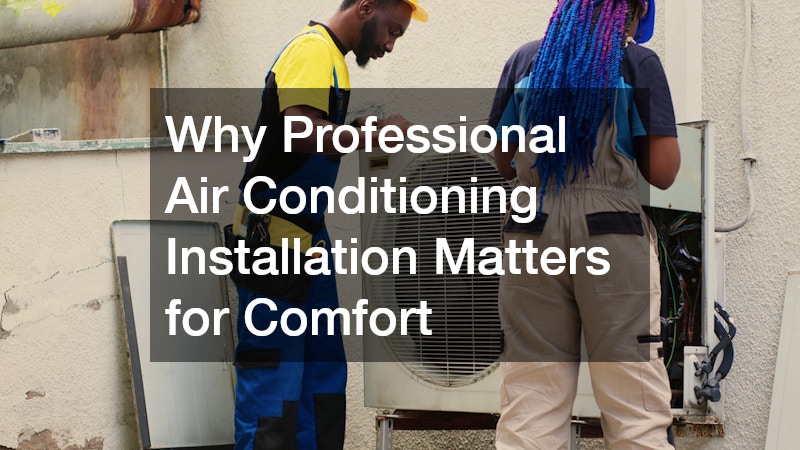
Handling refrigerant requires specialized training and certification due to environmental regulations and safety concerns. A qualified HVAC technician should inspect the system for leaks, recharge refrigerant if necessary, and ensure there are no underlying problems causing the leak. Prompt attention to refrigerant issues can prevent more costly HVAC repairs, protect the system’s compressor, and maintain comfortable indoor temperatures.
Repair or Replace Faulty Electrical Components
Electrical issues are a common source of HVAC problems and can manifest in various ways, including the system failing to start, frequent cycling on and off, or unusual noises. Components such as capacitors, contactors, fuses, and wiring can degrade over time or be damaged by power surges. Ignoring electrical problems can lead to system failure and create safety hazards.
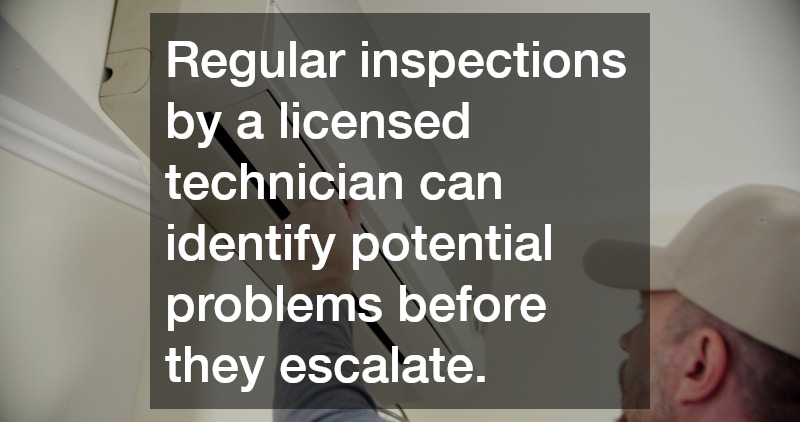
Regular inspections of electrical components by a licensed technician can identify potential problems before they escalate. In some cases, a simple replacement of a capacitor or relay can restore normal operation. In other situations, extensive electrical work may be required to ensure the system operates safely and efficiently. Maintaining the electrical health of your HVAC system is crucial for preventing emergency repairs and extending the equipment’s lifespan.
Perform Routine Ductwork and Vent Maintenance
Air ducts and vents are essential for delivering conditioned air throughout your home. Over time, ducts can develop leaks, accumulate dust, or become blocked by debris, reducing airflow and forcing the system to work harder. Similarly, vents can become clogged or misaligned, further compromising efficiency.
Regular duct inspection and cleaning can help prevent these issues, improve indoor air quality, and reduce the workload on your HVAC system. Sealing leaks and ensuring vents are unobstructed allow for even temperature distribution and lower energy costs. While duct maintenance is often overlooked, it is a key component of preventing costly HVAC repairs and maintaining a comfortable living environment.
Understanding essential HVAC repairs empowers homeowners to take proactive steps in maintaining their systems, improving comfort, and avoiding expensive breakdowns. From regularly changing air filters to addressing refrigerant leaks, faulty thermostats, and electrical issues, proper care can extend the life of your HVAC system and optimize energy efficiency. Homeowners should also pay attention to ductwork and vents to ensure smooth airflow throughout the home.
Investing time in routine inspections and minor repairs can prevent larger, more costly issues in the future. While some HVAC repairs can be managed by homeowners, others require professional expertise. Collaborating with a trusted HVAC technician ensures that your system operates safely, efficiently, and reliably year-round. By understanding and addressing these key areas, you can keep your home comfortable in every season and protect your investment in your HVAC system.