Key Takeaways
- Proactive planning helps prevent costly repairs and reduces stress over time.
- A clear maintenance schedule keeps your home in good condition year-round.
- Regular inspections allow you to catch small issues before they become major problems.
- Budgeting for repairs and upgrades ensures financial stability as a homeowner.
- Prioritizing safety checks protects your home and everyone living in it.
- Addressing minor issues early saves money and prevents bigger damage.
- Staying organized and consistent is key to long-term home care success.
Owning a home is rewarding, but it also comes with responsibilities. Over time, every home experiences wear and tear. Small problems can appear without warning, and if they are ignored, they can turn into expensive repairs.
The good news is that many home issues can be prevented with smart planning. Instead of reacting to problems after they happen, you can take a proactive approach. This helps you save money, reduce stress, and keep your home in great condition.
In this guide, you’ll learn how to stay ahead of home issues with simple and effective planning strategies.
Why Smart Planning Matters
Many homeowners wait until something breaks before taking action. While this may seem easier in the short term, it often leads to higher costs and more stress.
Smart planning allows you to:
- Catch problems early
- Spread out repair costs over time
- Avoid emergency situations
- Maintain your home’s value
When you stay ahead of issues, you have more control over your home and your budget.
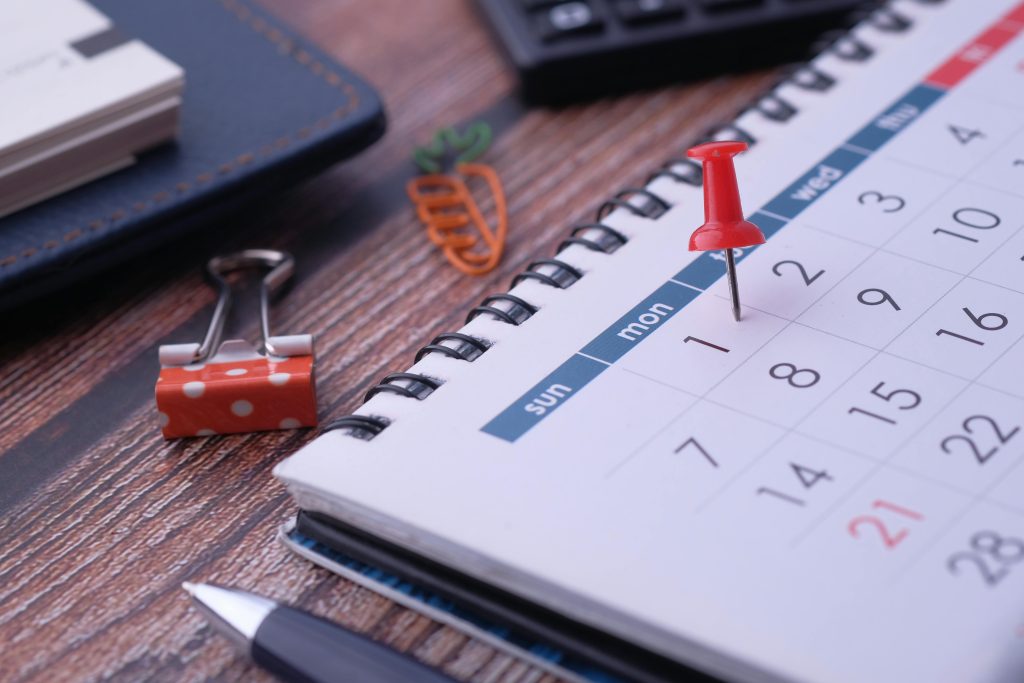
Create a Home Maintenance Schedule
Inspect Your Home Regularly
Regular inspections are key to preventing major problems. You don’t need to be an expert—just pay attention to changes in your home.
Look for:
- Water stains on ceilings or walls
- Cracks in walls or foundations
- Unusual sounds from appliances
- Drafts around windows and doors
These signs may seem small, but they can indicate bigger issues. Addressing them early can save you money and time.
Focus on Preventive Maintenance
Preventive maintenance means taking care of things before they break.
Some important areas to maintain include:
- Plumbing systems
- Electrical systems
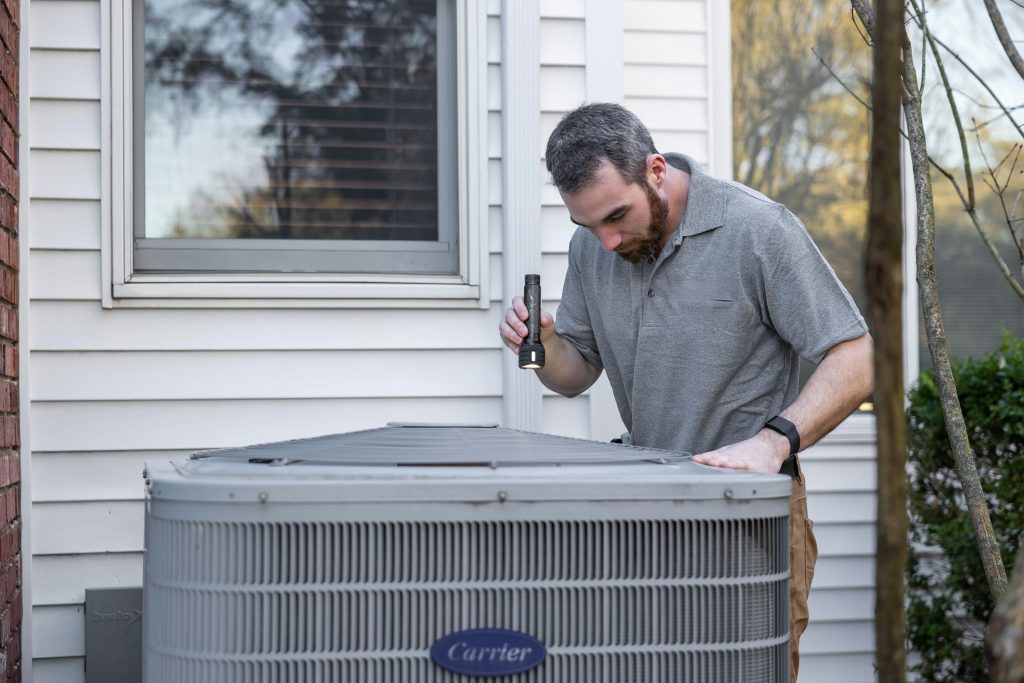
- Heating and cooling systems
- Roofing and gutters
For example, replacing an air filter regularly helps your HVAC system run efficiently and last longer.
Preventive maintenance reduces the risk of sudden breakdowns and costly repairs.
Budget for Repairs and Upgrades
Homeownership comes with ongoing expenses, so it’s important to plan financially.
Set aside money for:
- Routine maintenance
- Unexpected repairs
- Future upgrades
A good rule is to save 1–3% of your home’s value each year for maintenance.
This ensures you’re prepared when something needs attention and avoids financial stress.
Plan Ahead for Upgrades
In addition to maintenance, you should think about improvements that enhance your home.
Planning home upgrades and repairs allows you to prioritize projects based on importance and budget.
Start by listing:
- Urgent repairs
- Desired upgrades
- Long-term improvements
This helps you focus on what matters most and avoid spending money on unnecessary changes.
Stay Organized With a Home File
Keeping records of your home is very helpful.
Create a system to store:
- Receipts for repairs
- Warranty information
- Service records
- Contractor details
This makes it easier to track maintenance and provides useful information if you sell your home in the future.
Improve Energy Efficiency
Energy efficiency is an important part of smart planning.
Simple upgrades can reduce costs and improve comfort, such as:
- Sealing gaps and cracks
- Installing energy-efficient lighting
- Upgrading insulation
These changes not only save money but also reduce wear on your home systems.
Keep Safety a Top Priority
A safe home is a well-maintained home.
Focus on maintaining home safety and quality by regularly checking:
- Smoke and carbon monoxide detectors
- Electrical systems
- Stairs and railings
- Locks and security features
Taking care of safety issues early protects your family and prevents accidents.
Address Small Issues Quickly
It’s easy to ignore small problems, but this can lead to bigger repairs.
For example:
- A small leak can cause water damage
- A loose tile can lead to larger flooring issues
- Minor cracks can grow over time
Fixing small issues right away keeps your home in better condition and saves money.
Work With Reliable Professionals
Some tasks require expert help. Building relationships with trusted professionals can make a big difference.
Consider having contacts for:
- Plumbers
- Electricians
- Contractors
Working with reliable professionals ensures quality work and faster response times when needed.
Use Technology to Stay on Track
There are many tools that can help you manage your home more efficiently.
You can use apps or digital tools to:
- Schedule maintenance
- Track expenses
- Store important documents
Technology makes it easier to stay organized and keep everything in one place.
Prepare for Seasonal Changes
Different seasons bring different challenges.
For example:
- Winter may require insulation checks and heating maintenance
- Summer may require cooling system servicing
- Rainy seasons may require roof and gutter inspections
Preparing ahead of each season helps you avoid weather-related damage.
Create a Long-Term Plan
Smart planning is not just about the present—it’s about the future.
Think about:
- How your home will age
- When major systems will need replacement
- What upgrades will add value
A long-term plan helps you stay prepared and avoid unexpected costs.
Avoid Common Homeowner Mistakes
Many homeowners run into the same problems, especially when they’re busy or unsure where to start. The good news is that most of these mistakes are preventable once you know what to watch for.
Here are some of the most common issues:
Delaying Maintenance
Putting off small repairs may seem harmless, but it often leads to bigger and more expensive problems. A minor leak, for example, can turn into water damage or mold if left untreated. Taking care of issues early saves time, money, and stress.
Ignoring Warning Signs
Homes usually give clear signs when something is wrong. Strange noises, higher energy bills, cracks, or moisture spots should never be ignored. These signals often point to underlying problems that need attention right away.
Not Budgeting for Repairs
Unexpected repairs are part of homeownership. Without a budget, these costs can feel overwhelming. Setting aside money regularly for maintenance and emergencies helps you stay prepared and avoid financial strain.
Trying to Do Everything at Once
It’s tempting to fix or upgrade everything right away, especially after moving in. However, taking on too many projects at once can lead to burnout and overspending. It’s better to prioritize and tackle one task at a time.
Make Smarter Decisions
Being aware of these common mistakes helps you stay in control of your home. Focus on regular maintenance, pay attention to warning signs, and plan your projects carefully. With a thoughtful approach, you can avoid unnecessary problems and keep your home in great shape for years to come.
Stay Consistent With Your Plan
The key to smart planning is consistency.
Even small actions, when done regularly, can have a big impact over time.
Set reminders, follow your schedule, and review your plan regularly.
Consistency helps you stay ahead of problems and maintain your home’s value.
Final Thoughts
Staying ahead of home issues doesn’t require complicated strategies. With smart planning, regular maintenance, and a proactive mindset, you can keep your home in excellent condition.
Start with a maintenance schedule, inspect your home regularly, and budget for repairs and upgrades. Focus on safety, address small problems early, and plan for the future.
Your home is one of your biggest investments. Taking care of it today ensures it remains safe, comfortable, and valuable for years to come.
By staying organized and consistent, you can avoid costly surprises and enjoy the peace of mind that comes with a well-maintained home.