The success of any construction project begins long before the first wall is built—it starts with effective site preparation and material handling. Selecting the right construction equipment ensures projects stay on schedule, within budget, and maintain high safety standards. Partnering with a reputable heavy equipment company can provide access to the right machines, expert guidance, and reliable support to streamline these early stages of construction.
What are the Key Types of Construction Equipment for Site Preparation?
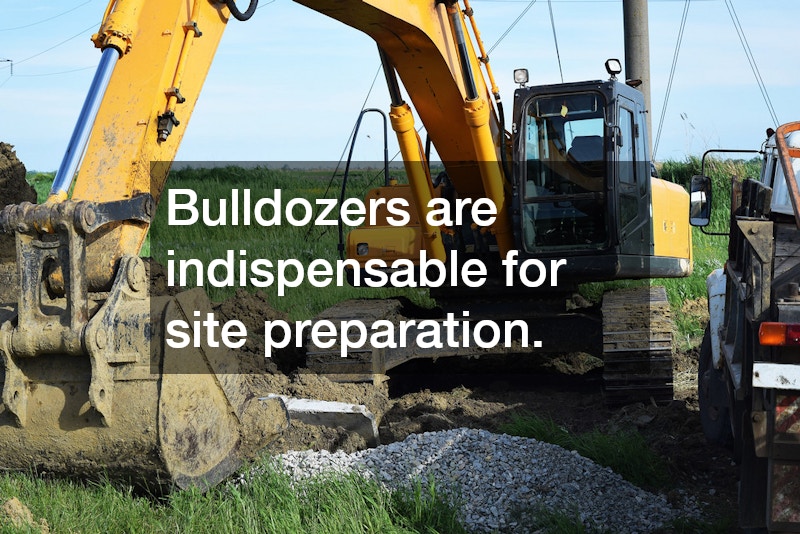
Bulldozers are indispensable for site preparation. Equipped with large, heavy blades, they are designed to push soil, sand, and debris across the construction site efficiently.
Their ability to level uneven terrain, remove obstacles, and prepare the ground for subsequent construction activities makes them a cornerstone of any site preparation strategy. For large-scale projects, bulldozers from a trusted heavy equipment company ensure durability and high performance under demanding conditions.
Excavators are versatile machines capable of digging trenches, foundations, and drainage systems. They feature powerful hydraulic arms and rotating cabs, allowing precise control for both digging and material handling. In addition to excavation, these machines can be equipped with attachments for lifting heavy objects, demolishing structures, or grading surfaces, making them a multi-purpose solution that enhances site efficiency.
Graders, also known as road graders or motor graders, are essential for creating smooth, level surfaces. Their long blades can adjust the terrain’s slope, ensuring proper drainage and an even base for roads or building foundations. By providing precise leveling, graders reduce the risk of water pooling, structural instability, and uneven pavement, ultimately contributing to a more stable and safe construction site.
How to Choose the Right Material Handling Equipment?
Forklifts are essential for lifting, moving, and stacking heavy materials on construction sites. When selecting a forklift, consider load capacity, maneuverability in tight spaces, and fuel type. Electric forklifts are ideal for indoor or low-emission environments, while diesel models handle outdoor and rugged terrains efficiently. Collaborating with a reliable heavy equipment company ensures the correct forklift type is matched to your project needs, improving efficiency and minimizing the risk of material damage.
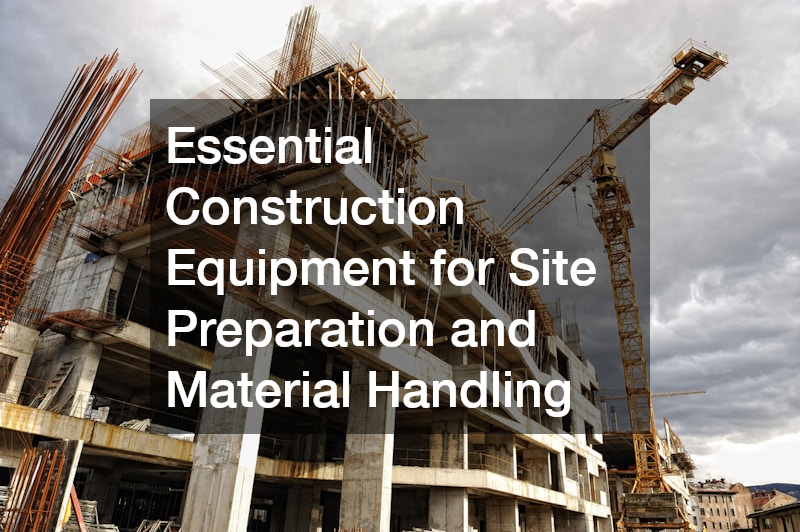
Cranes are indispensable when lifting large or heavy materials to elevated positions. Tower cranes, mobile cranes, and crawler cranes each serve specific purposes based on site constraints and material dimensions. Choosing the right crane involves evaluating lifting capacity, reach, and terrain compatibility. Proper selection guarantees safe and effective movement of materials while reducing downtime caused by incorrect equipment deployment.
For projects requiring continuous material transport, conveyor systems provide an efficient solution. These systems move materials such as sand, gravel, or aggregates across the site with minimal manual handling. They reduce labor costs, streamline workflow, and minimize the risk of injuries associated with repetitive lifting. Conveyor systems can be customized to match site layout and material type, further enhancing operational efficiency.
What Safety Measures Should Be Considered When Operating Construction Equipment?
Proper training is critical for safe construction equipment operation. Operators must understand machine controls, emergency procedures, and safe maneuvering techniques. Certification ensures that personnel meet industry standards, reducing the likelihood of accidents and improving overall site safety. Investing in operator training is an essential step in protecting both workers and assets.
Routine maintenance and inspections are crucial to prevent equipment failures and downtime. Checking hydraulics, brakes, tires, and safety systems ensures that machines operate at peak efficiency. A proactive maintenance plan reduces costly repairs, extends equipment lifespan, and enhances safety on-site.
All personnel operating or working near construction equipment should use appropriate PPE, including hard hats, steel-toed boots, high-visibility vests, and hearing protection. Consistent use of PPE mitigates risks associated with heavy machinery, falling objects, and loud operational noise, promoting a culture of safety throughout the construction site.
Selecting the right construction equipment and prioritizing safety are foundational to successful site preparation and material handling. Bulldozers, excavators, and graders streamline terrain work, while forklifts, cranes, and conveyor systems ensure efficient material movement. Collaborating with a trusted heavy equipment company provides access to reliable machines and expert guidance. Combined with proper operator training, regular maintenance, and diligent use of PPE, these practices create a safe, efficient, and productive construction environment. By investing in the right equipment and safety measures, construction projects can stay on schedule, on budget, and free from preventable accidents.